Pool Equipment Pad Planning: 9 Questions Before You Choose a Location
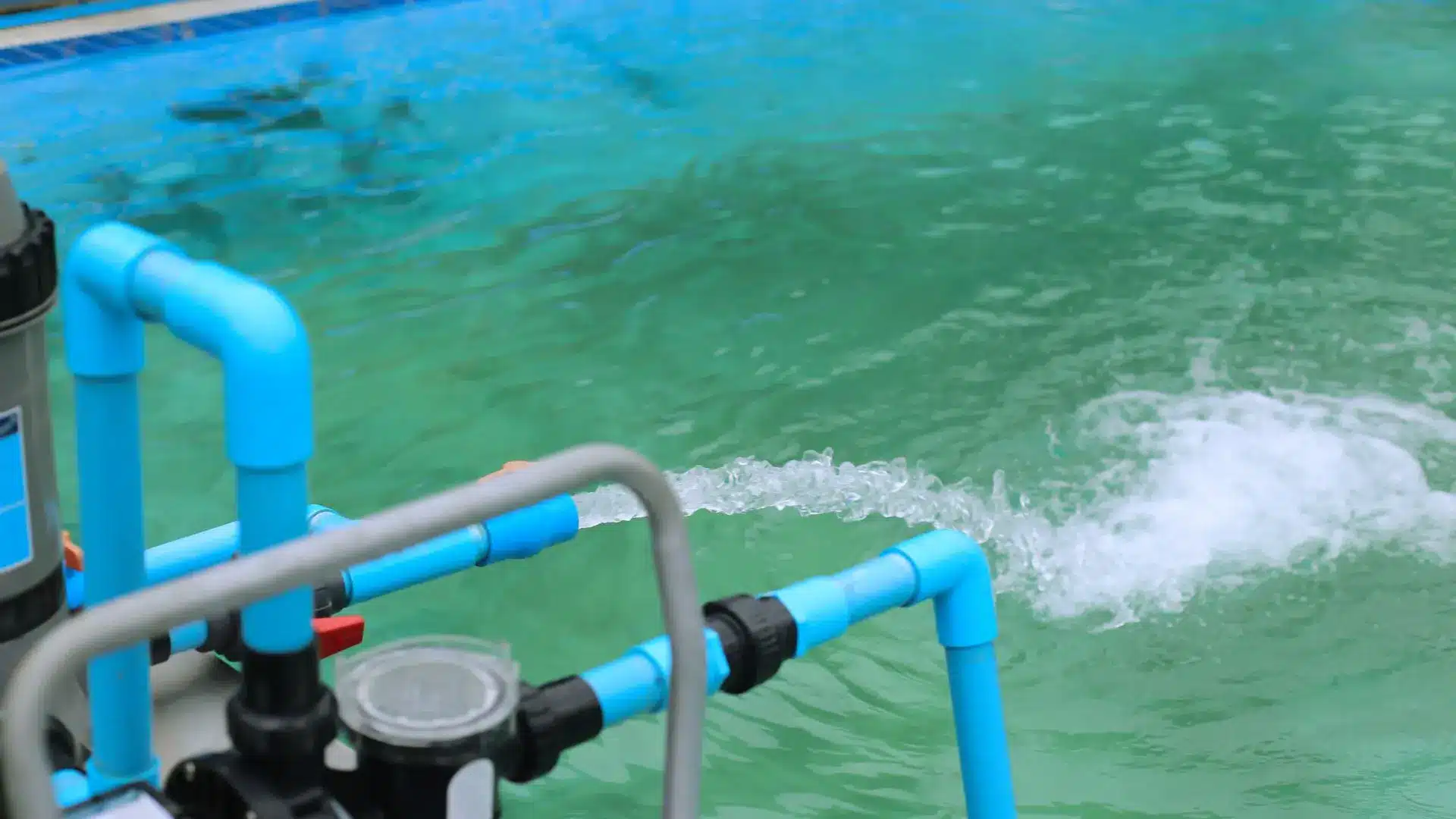
A pool equipment pad is easy to overlook when you are focused on water shape, finishes, and the patio. Its location affects daily sound, service access, plumbing runs, drainage, screening, and how comfortably the rest of the yard works.
You do not need to select every pump, filter, heater, or control before the first design meeting. You should, however, reserve a practical area for the system and test that location against the way your household will use the property.
1. Can a Technician Reach Every Component?
A compact equipment layout may look tidy on a plan, but it still needs working room. A technician should be able to reach valves, lids, gauges, controls, electrical disconnects, drain points, and connections without climbing over another component.
Ask the designer to draw the service side of each unit and show the path a person will use while carrying tools or replacement parts. Confirm that a gate, fence panel, planting bed, or future structure will not block that path. Manufacturer instructions should determine the final clearances for the selected equipment.
2. How Will Plumbing Distance Affect the System?
The equipment must move water through a network of suction and return lines. Pipe length, elevation changes, fittings, and equipment all add resistance. That is why placement should be coordinated with hydraulic design instead of chosen only because a corner is out of sight.
This does not mean the pad has to sit beside the pool. It means the designer should evaluate the route before the patio, walls, planting, and structures make that route harder to change. For more background on matching circulation equipment to the pool, read our guide to choosing an efficient pool pump.
3. What Will You Hear From the Patio and House?
Think about the places where people will talk, eat, work, and sleep. Then compare those areas with the proposed equipment location. Walls and enclosures can change how sound travels, so simply hiding the equipment from view may not solve a noise concern.
Equipment selection matters too. ENERGY STAR explains that certified pool pumps can operate at different speeds and notes that certified models can run quieter than conventional alternatives. The pump still needs to be sized and programmed for the actual pool system, so use efficiency information as one part of the decision.
4. Where Will Rainwater and Service Water Go?
The pad should not become a low spot where runoff, roof discharge, or irrigation water collects. Observe the yard after rain and show the designer any ponding or concentrated flow near the proposed location.
Also ask how water from maintenance tasks will be handled. The answer depends on the equipment and site. A useful plan keeps water away from electrical components, foundations, walking routes, and areas where it could create erosion or standing water. Our backyard drainage and grading guide can help you document site conditions before design begins.
5. Are Buried and Overhead Utilities Accounted For?
Plumbing and electrical routes should be coordinated with known site features before excavation. Mark meters, utility equipment, overhead lines, septic components, drainage structures, irrigation, and any records you have for buried services.
811 Before You Dig says anyone planning to dig should contact 811 or the appropriate state center so the approximate location of buried utilities can be marked. Utility marking does not replace a complete site review, but it is an essential step before digging begins.
6. Can the Equipment Be Screened Without Being Sealed In?
Many homeowners want the equipment hidden from the pool, house, and neighboring properties. Screening can be handled with a fence, wall, structure, or planting, but the enclosure must remain compatible with the selected equipment.
Do not assume that tighter screening is always better. Ask how ventilation, combustion air where applicable, drainage, lid removal, controls, and replacement access will be handled. Leave enough space for plants at mature size, and avoid placing thorny or debris-heavy plants where they make service difficult.
7. Does the Location Support Water-Efficient Ownership?
Good access makes routine observation easier. If the pad is visible enough to inspect, you are more likely to notice drips, wet soil, unusual sounds, changing pressure, or another sign that deserves attention.
The EPA WaterSense pool guide covers design considerations, retrofits, and maintenance practices intended to improve pool water efficiency. Use that guidance with the manufacturer instructions for your equipment, and make leak checks part of regular ownership rather than an afterthought.
8. How Will Safety and Controls Be Managed?
The equipment area should not become an unintended shortcut or play area. Discuss gates, latches, controls, chemical storage, electrical access, and the route children or guests may take through the yard.
The U.S. Consumer Product Safety Commission's Pool Safely guidance recommends layers such as barriers, covers, and alarms. Those layers should be planned with the entire pool area, not treated as isolated accessories. Confirm the requirements and product instructions that apply to the specific property and design.
9. What Happens When Equipment Is Serviced or Replaced?
Every component will eventually need inspection, cleaning, repair, or replacement. Trace how a large filter, heater, pump, or control panel could be removed. A narrow gate, finished wall, outdoor kitchen, or dense hedge can turn a routine replacement into a much larger project.
Reserve a route from the driveway or street to the pad when possible. If that route crosses a patio or lawn, discuss how it will be protected. Also consider snow, fallen leaves, and seasonal storage so the access path remains usable throughout the year.
Use This Equipment-Pad Checklist
- Show the service side and required clearance for each component.
- Review pipe length, elevation, and the route between the pool and pad.
- Compare expected sound with patios, windows, bedrooms, and neighboring spaces.
- Keep runoff and standing water away from the pad.
- Coordinate excavation with utilities and existing site systems.
- Screen the equipment without blocking ventilation or service.
- Leave a practical path for inspection, maintenance, and replacement.
- Plan barriers, controls, and storage with the whole pool area.
- Confirm final specifications against current manufacturer instructions.
Plan the Equipment With the Whole Backyard
The best equipment location is not simply the closest corner or the place that disappears behind a fence. It is the location that balances system design, access, sound, drainage, safety, and the way you want to use the yard.
Use our pool design consultation checklist to organize your broader project priorities. If you are planning a new pool and outdoor living space, explore our inground pool design and construction page, then contact FS Landscaping to start a design conversation.