Travertine Pool Decks: Pros, Cons, and Cost vs. Pavers in Pennsylvania's Freeze-Thaw Climate
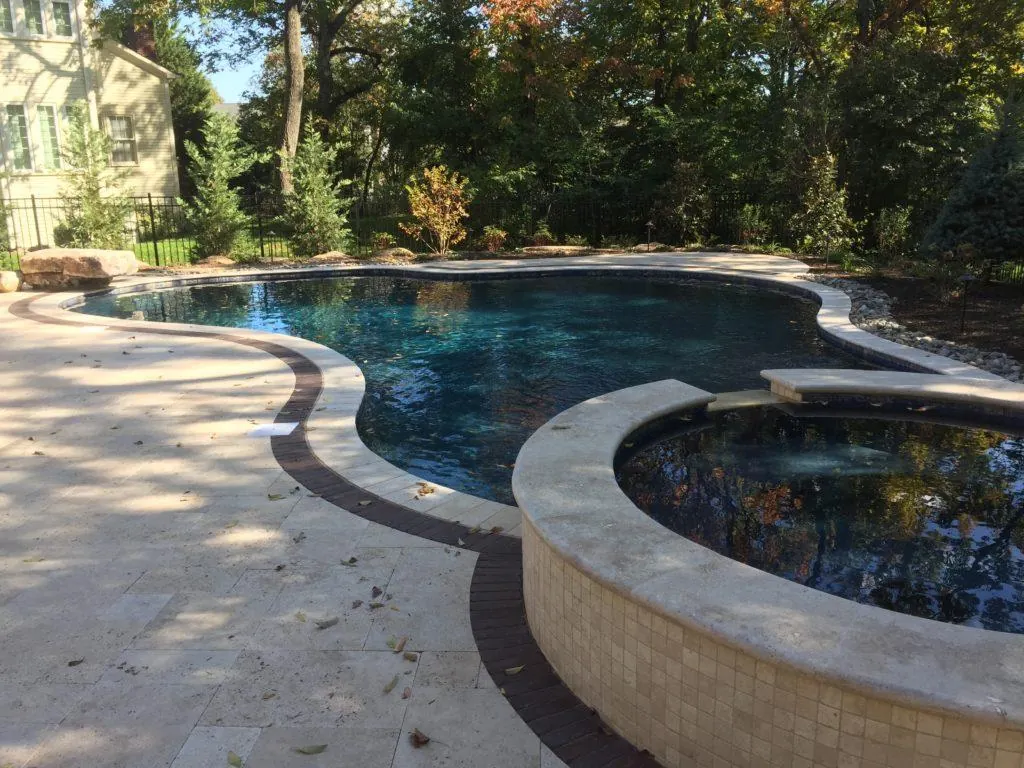
A travertine pool deck has a soft, natural look that is hard to beat. It is a favorite around pools in warm places, and many Bucks County homeowners love it too. But Pennsylvania winters bring snow, ice, and freeze-thaw cycles. So is travertine a smart pick here?
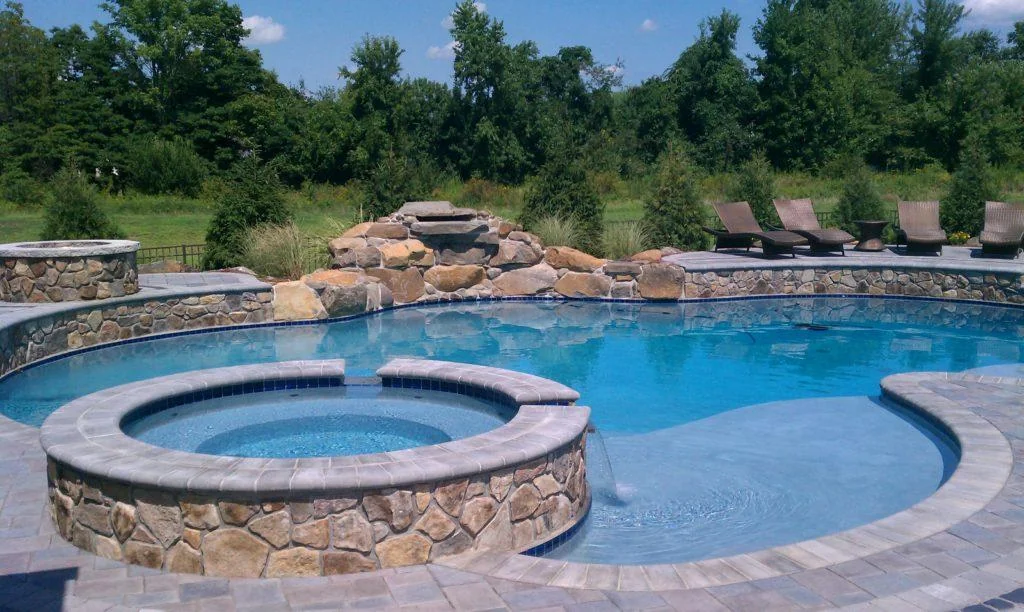
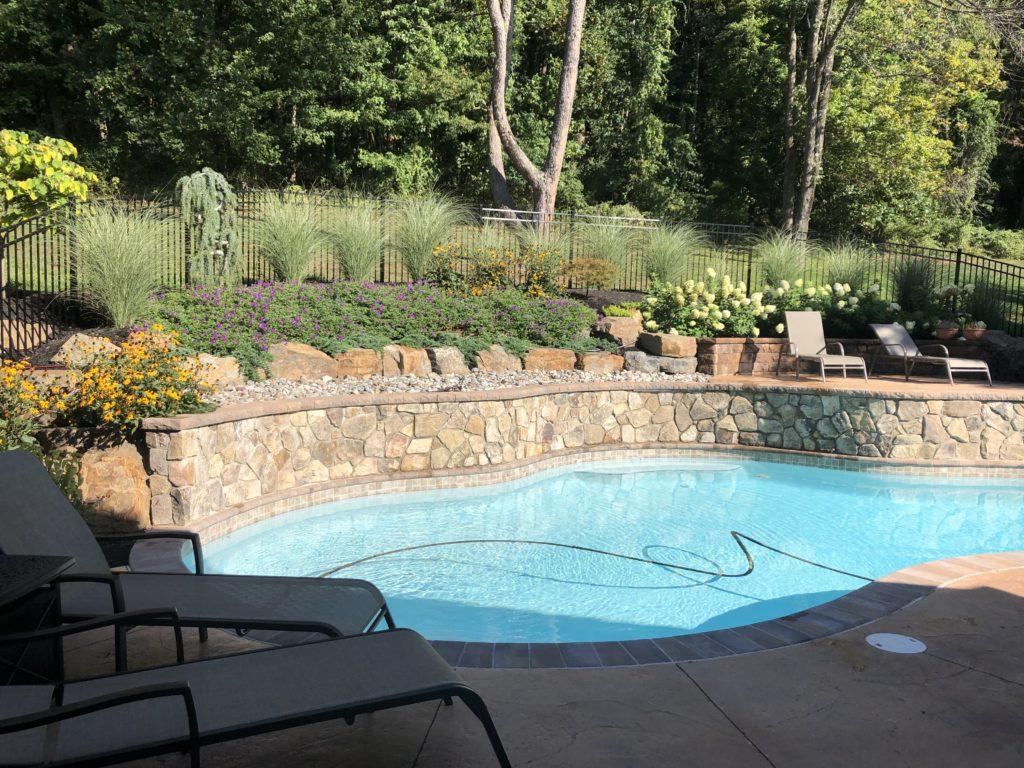
This guide covers the pros, the cons, how travertine handles our climate, and how its cost compares to pavers. To see the natural stone options we install, including travertine, visit our natural stone page. If you are still comparing every deck option, our guide to choosing a pool deck material is a good place to start.
What Is Travertine?
Travertine is a natural stone, a type of limestone. It forms in layers, which gives it small holes and a gentle, earthy pattern. For pool decks, it is usually cut into pavers and set on a prepared base.
Travertine comes in many tones, from creamy beige to cool silver and gray. Each piece is a little different, which is part of its charm.
Pros of a Travertine Pool Deck
- Comfortable in summer. Light-colored stone often feels cooler on bare feet than dark surfaces.
- Natural texture. Angi describes travertine as a slip-resistant surface, which helps around wet areas. Ask about the finish, since tumbled and smooth styles feel different.
- Timeless look. It pairs well with both classic and modern homes.
- Easy to repair. Because it is set as pavers, a single cracked piece can be replaced.
Cons to Weigh
- It is porous. Those small holes can soak up water, which matters in cold weather.
- It needs sealing. Plan on periodic sealing to protect it.
- Higher cost. Natural stone usually costs more than concrete pavers.
- Some care with de-icers. Harsh salts can be tough on natural stone surfaces.
Travertine in a Freeze-Thaw Climate
This is the big question for Bucks County. When water soaks into stone, freezes, and expands, it can cause surface wear or cracks over time. Good choices up front make a big difference.
Sealing
A quality sealer helps keep water out. Angi's 2026 cost guide puts sealing at about $1 to $3 per square foot, and suggests resealing every two to three years. Ask your installer which sealer they use and how often they recommend it.
Base and drainage
A strong, well-drained base is the most important part of any paver deck in a cold climate. Water that sits under the stone is water that can freeze. Angi notes that areas with frequent freeze-thaw cycles may need extra site prep. Ask how the base will be built and how water will drain away from the pool.
Winter care
- Shovel with a plastic blade to avoid scratches.
- Ask your installer which ice melt is safe for your stone. As a general rule, rock salt is hard on natural stone, so many installers suggest sand for traction or an ice melt labeled safe for natural stone.
- Clear standing water and leaves before a hard freeze.
Our hardscaping page lists both silver travertine and beige travertine among the natural stone options we use. For pool decks, travertine pavers are typically about 1 1/4 inches (3 cm) thick, and tumbled or brushed finishes are common near water because they grip better than polished stone. Ask us which grade and finish suit your deck during your design consultation.
Travertine Pavers vs. Concrete Pavers Around the Pool: Cost
Here are general national ranges from Angi's 2026 cost data. These are not FS prices. Your real cost depends on deck size, site prep, pattern, and access.
| Travertine pavers | Concrete pavers | |
|---|---|---|
| Installed cost per sq ft (Angi 2026) | $15 to $27 | $8 to $25 (paver patios overall, all paver types) |
| Cost per sq ft (Angi, by material) | Not listed separately | $8 to $15 |
| Example | A 600 sq ft pool deck runs about $9,000 to $16,200 installed | A 576 sq ft (24 x 24) paver patio runs about $4,608 to $14,400 installed |
| Upkeep | Seal every 2 to 3 years | Varies; sealing is optional but common |
Sources: Angi travertine paver costs and Angi paver patio costs.
So a travertine pavers pool deck usually costs more than concrete pavers around the pool. Concrete pavers come in many colors and shapes, and some are made to look like stone. Our pavers and wall block page shows the paver styles we install, including concrete, permeable, and porcelain pavers.
As our pavers and wall block page puts it, paver installations are typically less expensive than those using natural materials, such as flagstone or travertine, but more expensive than stamped concrete. The right answer depends on what matters most to you: the natural look of real stone, or a lower price with lots of style choices. Ask us to price both options for your deck.
Questions to Ask Before You Choose
Bring these to your design meeting:
- Which travertine finish do you recommend near the water: tumbled, brushed, or another style?
- How thick are the pavers, and are they suited for freeze-thaw climates?
- How will the base be built and drained?
- What sealer do you use, and how often should it be redone?
- What should I use to melt ice on the deck?
- Can I see a finished travertine deck that has been through a few winters?
Choose Your Deck Stone This Winter
A travertine pool deck can work well in Pennsylvania when it is installed on a solid, well-drained base and sealed on schedule. It costs more than concrete pavers, but many homeowners feel the natural look is worth it. The best time to compare samples and settle on a stone is now, so your deck is ready to build in spring.
FS Landscaping Contractors builds pools and stone decks for homeowners in Doylestown, Furlong, and across Bucks County. See your options in our natural stone selection, then contact us to plan your pool deck.