Retaining Wall Cost: Block vs. Natural Stone Walls for Sloped Bucks County Yards
Plenty of Bucks County yards have a slope. Sometimes it is gentle. Sometimes it is steep enough that you cannot set down a chair, let alone a patio or pool. A retaining wall can turn that slope into flat, usable space. So what is the real retaining wall cost, and how do block and natural stone compare?
This guide covers national price ranges, what changes the price, and how to plan your wall this winter so it is ready to build in spring. To see the wall block and paver options we install, visit our pavers and wall block page.
The figures below are general national ranges from a published cost guide. They are not FS quotes.
How Much Does a Retaining Wall Cost?
According to Angi's 2026 cost data, most homeowners pay between $3,191 and $9,196 to build a retaining wall. The national average is about $6,077.
That covers a lot of different walls. A short garden wall and a tall wall holding up a pool patio are very different jobs. Height, length, and material make the biggest difference.
Cost per Linear Foot and Height
Angi breaks cost down by linear foot (the length of the wall):
- A 2 foot tall wall: about $40 to $200 per linear foot
- A 6 foot tall wall: up to $360 or more per linear foot
Taller walls cost more per foot because they hold back more soil. They need deeper bases, more reinforcement, and more drainage. Angi's length table puts a 30 foot wall at about $6,000 on average, with a range of $1,200 to $10,800.
Block vs. Natural Stone
Segmental wall block
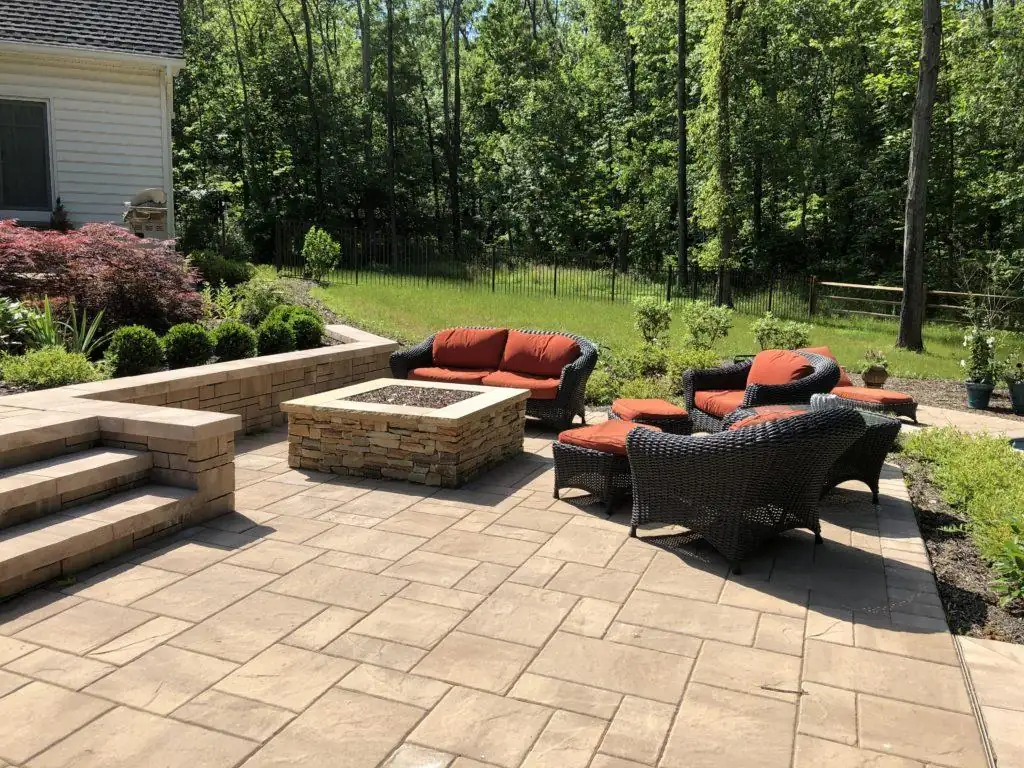
Segmental wall block is a concrete block made to stack and lock together. Many styles look like cut or tumbled stone. It is the most common choice for residential retaining walls.
Why people choose it:
- Consistent size, so it installs faster
- Many colors and textures
- Pairs well with paver patios from the same maker
Angi lists concrete block walls at about $30 to $50 per square foot of wall face, all-in. Browse our wall block options to see the styles we build with.
Natural stone and boulders
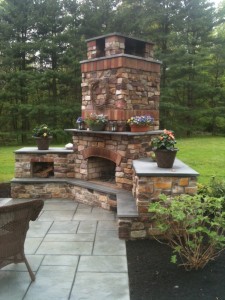
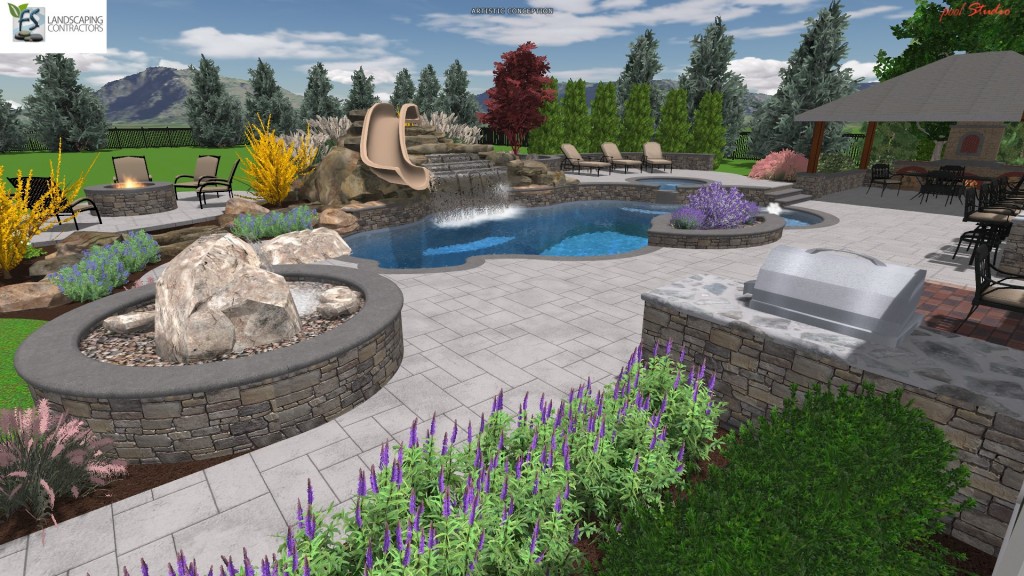
Natural stone walls use real fieldstone, flagstone, or boulders. They have a one-of-a-kind look that blends into wooded lots and older Bucks County properties. Boulder walls can also frame a pool waterfall. Our natural stone page shows the stone we work with.
Why people choose it:
- Natural, timeless look
- Each wall is unique
Trade-offs:
- Costs can vary a lot by stone type
- Irregular shapes take more skill and time to set
Angi lists stone walls at about $20 to $100 per square foot, depending on the stone.
On materials, our pavers and wall block page lists Belgard, Techo-Bloc, EP Henry, and Unilock as our preferred interlocking concrete paver brands. Our natural stone page covers wall stone, fieldstone, and boulders for natural looking retaining walls. Ask us how block and stone compare for your slope during your design consultation.
What Else Drives Retaining Wall Installation Cost
Drainage
Every retaining wall needs drainage. Water that builds up behind a wall pushes on it, and in our freeze-thaw winters that pressure gets worse. Most walls use gravel behind the wall and a drain pipe at the base. Skipping drainage is one of the fastest ways to end up with a leaning wall.
Engineering and permits
Angi notes that walls taller than 4 feet usually need a structural engineer, at about $350 to $750. Many towns require a permit for walls taller than 3 or 4 feet, at about $50 to $450. Rules vary by township, so check locally or ask your contractor to handle it.
Our homepage process notes that permits, excavation, plumbing and electrical are coordinated by one team, and FS is licensed in both Pennsylvania and New Jersey. Whether your wall needs an engineer typically depends on its height, soil, and township rules, so ask us early.
Before any digging, Pennsylvania's One Call law requires a PA811 request. You can learn more or submit a request through Pennsylvania One Call. A good contractor will handle this for you.
Site and soil
Slopes, rocky soil, tree roots, and tight access all add labor. Angi says labor can rise 50% or more when a site needs extra digging. Clay soil may also change what type of wall works best.
Why Plan Your Wall in Winter
A retaining wall is often the first step in a bigger project. You may need the wall before you can build a patio, a pool, or a garden on that slope. Planning now lets you:
- Map the slope and decide where flat space should go
- Choose between block and stone with samples in hand
- Fit the wall into a full plan for your yard
- Be ready for spring, when the ground is soft
Angi also points out that digging in frozen ground is harder and adds labor, which is one more reason to design in winter and build once the ground thaws.
If your slope is part of a pool plan, read our guide to building an inground pool on a sloped yard. It covers walls, drainage, and access in more detail.
Walls usually come first in a spring project, so most Bucks County wall jobs are typically planned over the winter. Ask us about current timing when you reach out.
Get a Plan for Your Slope
So, how much does a retaining wall cost for your yard? It depends on height, length, material, drainage, and soil. National ranges help you set a budget, but a site visit gives you a real number.
FS Landscaping Contractors builds retaining walls and hardscapes for homeowners in Doylestown, Furlong, and across Bucks County. See our hardscape and wall block choices, then contact us to plan your wall this winter.