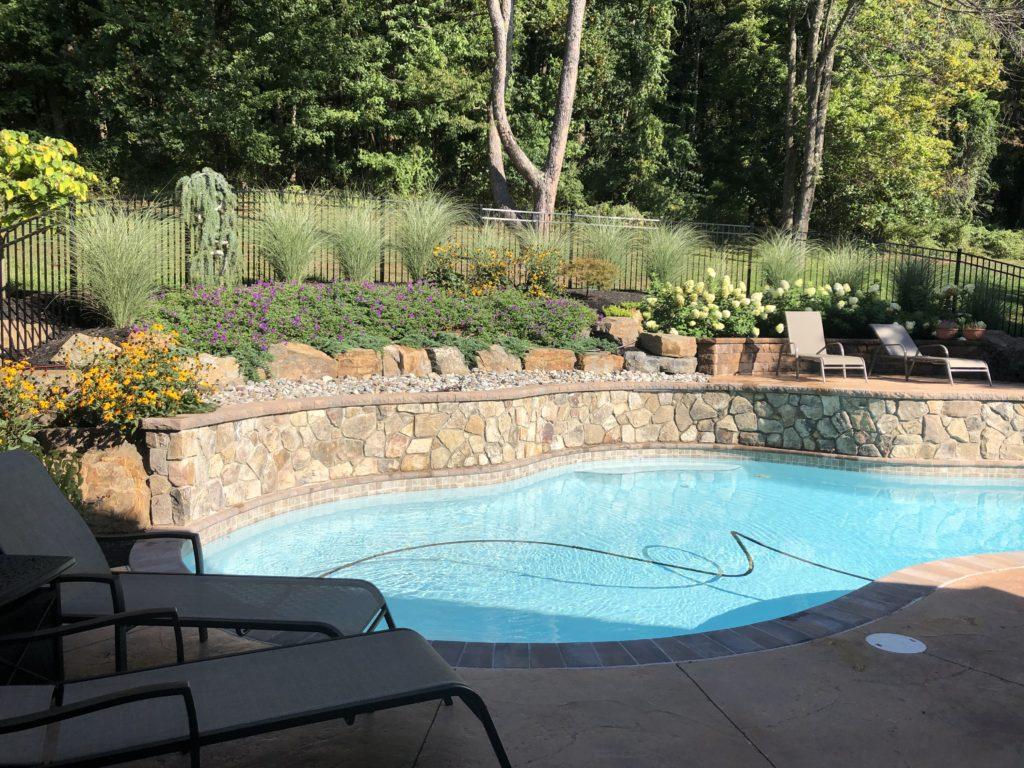
Pool Contractor vs. Landscape Design-Build Company for a Complete Backyard
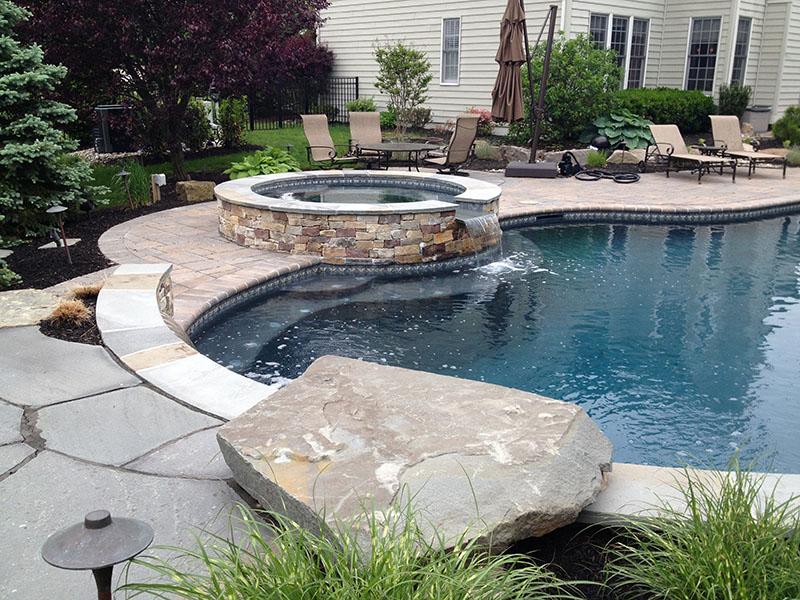
Choosing who will lead a complete backyard project is not as simple as comparing two contractor labels. A pool contractor and a landscape design-build company may both work on properties with pools, but the planning focus can be different. The right fit depends on whether you need a defined pool installation, a broader outdoor environment, or a coordinated combination of several features.
If your plans include a pool plus a patio, cooking area, lighting, plantings, or a covered structure, the relationships between those pieces matter. The goal at the start is to understand the scope, decide who is responsible for each part, and make sure the design is considered as one usable space.
FS Landscaping is a design-build contractor serving Bucks and Montgomery Counties. Its work includes pools, outdoor living spaces, patios and hardscaping, kitchens and grills, landscape lighting, and pavilions, pergolas, and pool houses. Not every project needs every service, so the first decision should be based on your actual priorities.
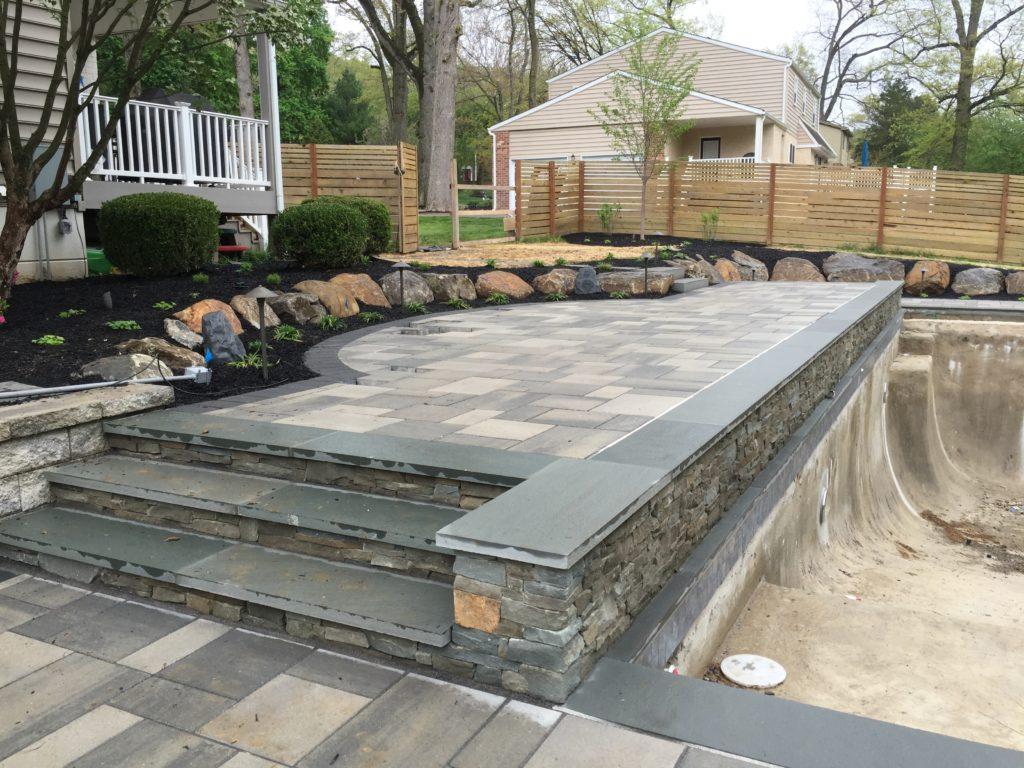
What Is the Practical Difference?
A pool-focused contractor is typically selected when the swimming pool itself is the central scope. Early conversations may concentrate on the pool's placement, shape, entry points, and immediate surrounding area. This can be a sensible approach when the rest of the yard is already established or when other outdoor features are not part of the current project.
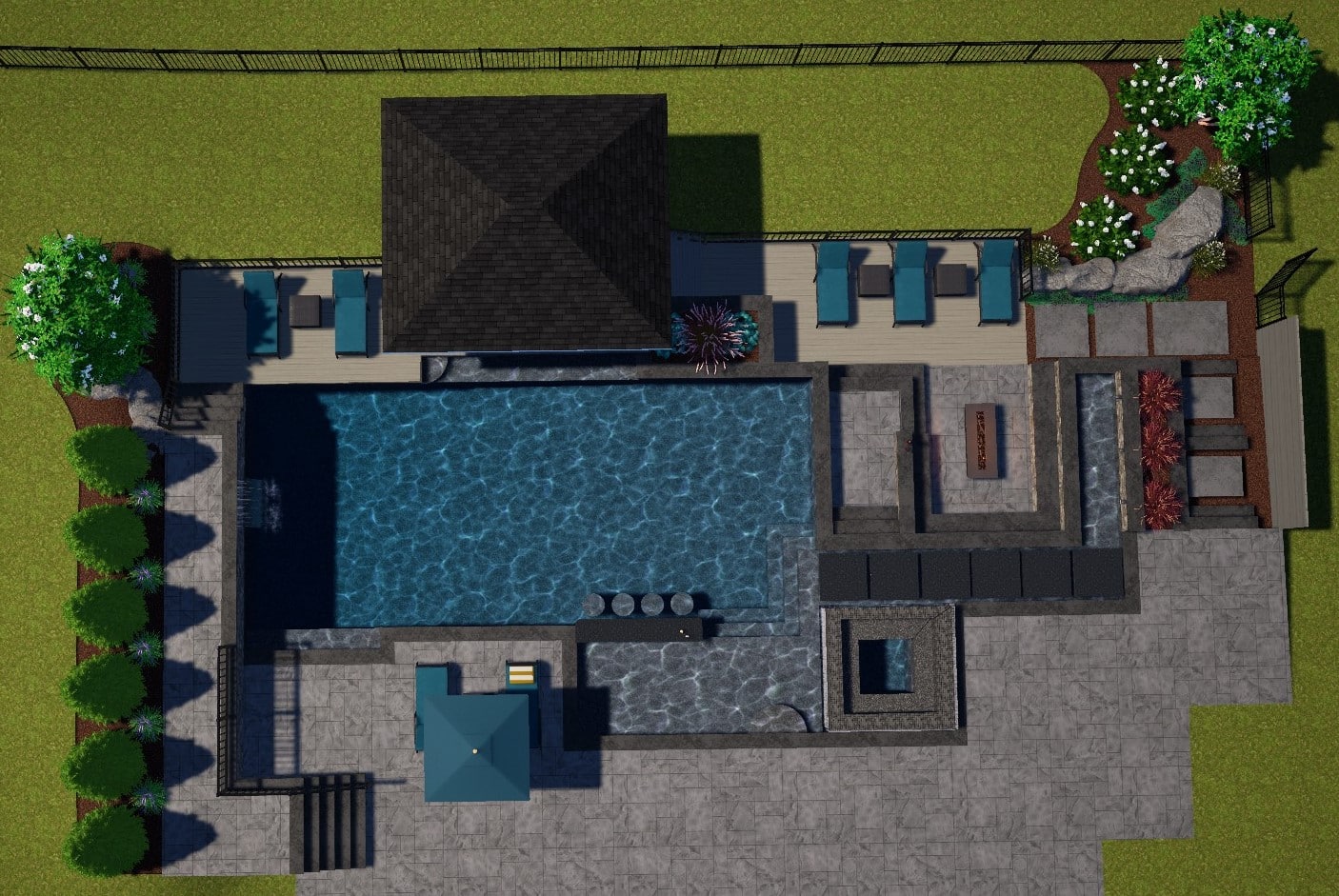
A landscape design-build company looks at the pool as one component within a larger site plan. The conversation can include how people reach the pool, where they sit, where food is prepared, what should be visible from the house, and how separate activity areas connect. For homeowners considering a broader outdoor living space, that wider planning lens can help organize the full scope before individual features are developed.
This is not a claim that one category is always better. Contractor capabilities vary, and titles alone do not define the exact work a company performs. Compare the proposed responsibilities, design process, and project boundaries rather than relying only on the name used to describe the business.
When a Pool-Focused Scope May Be Enough
A pool-focused approach may fit when the assignment is intentionally narrow. Perhaps an existing patio already provides enough room for dining and lounging, the path from the house works well, and no cooking or shade structure is planned. In that case, you may not need a team to rethink the entire property.
Before treating the pool as a stand-alone project, check the adjacent conditions. A narrow decision can create broader questions:
- Where will swimmers enter and leave the pool area?
- Is there enough space for the furniture and activities you expect?
- How will the pool connect to the house, lawn, and existing walks?
- Could a future kitchen, pergola, or pool house need space now being assigned elsewhere?
- Which areas need useful lighting after sunset?
If those questions are already resolved, a limited scope may remain appropriate. If they expose conflicts or undecided areas, it may be useful to step back and consider a complete backyard plan.
Why Design-Build Can Help With a Multi-Feature Backyard
Design-build brings design and construction considerations into one connected process. For a backyard with several elements, that means decisions can be evaluated in relation to one another instead of as isolated additions.
Circulation can be planned before features compete for space
A pool, dining zone, grill area, and pavilion each need room, but the open space between them is also important. Routes should feel direct and understandable. The plan should account for movement from the house to the main gathering areas and around the pool without forcing people through furniture zones or work areas.
Hardscape can support more than the pool edge
The pool surround is only one part of the paved environment. A broader patio and hardscaping plan can distinguish circulation, seating, dining, and transitions to planted areas. The design should reflect how much open patio is useful without assuming that every available area needs paving.
Utilities and built features can be considered earlier
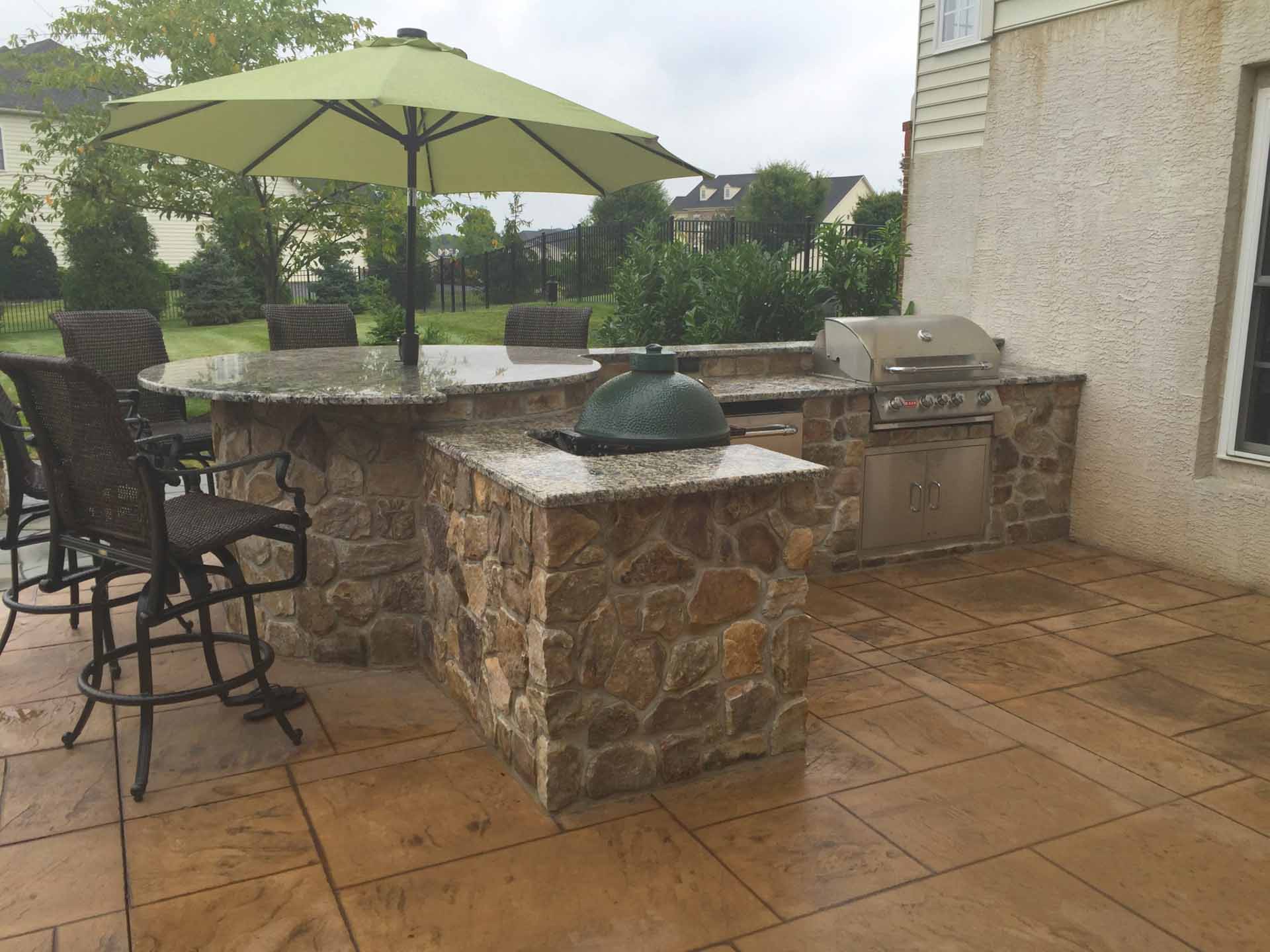
An outdoor cooking space works best when its placement is chosen as part of the layout, not from the last unoccupied corner. If an outdoor kitchen or grill area is being considered, discuss its relationship to indoor access, dining, seating, and the pool before the plan is fixed.
Compare Responsibilities, Not Just Services
Two companies may list similar services while proposing very different levels of coordination. Ask each team to explain exactly what it will design, build, and coordinate. The answers should make it clear where one responsibility ends and another begins.
Useful questions include:
- Who develops the overall backyard layout?
- Is the pool positioned before or after the patio, kitchen, and structure are considered?
- Who plans transitions between new and existing areas?
- How are revisions handled when one feature changes the space available for another?
- Which elements are included in the current scope, and which are only future possibilities?
- Who is the main point of contact for design decisions?
Request a clear written scope. It should separate included work, optional work, and items that require another provider. This makes comparisons more meaningful and reduces the chance that two proposals appear similar when they cover different responsibilities.
Look Beyond the Daytime Layout
A backyard plan should make sense during the times you expect to use it. If evenings are important, landscape lighting should be discussed while paths, gathering areas, steps, planting zones, and structures are still being arranged. Lighting is not simply a finishing decoration. Its placement relates directly to circulation and the features people need to see.
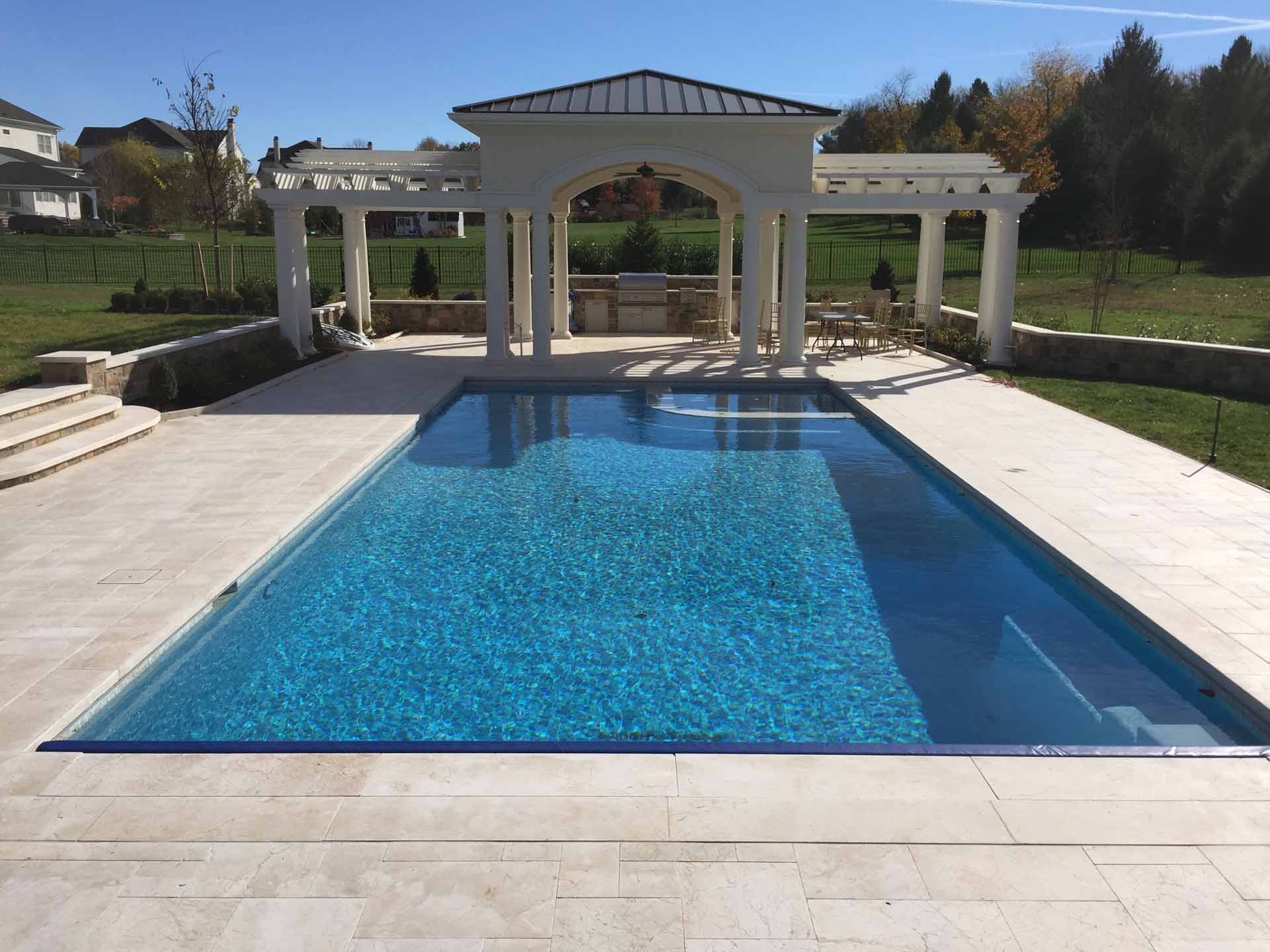
Shade and shelter deserve the same early attention. A pavilion, pergola, or pool house can affect sightlines, patio dimensions, furniture placement, and movement. Even if a structure is not included in the first phase, identifying a possible location can help preserve options.
Decide Whether to Phase the Work
A complete plan does not require every element to be built at once. Some homeowners prefer to define the full layout, then divide construction into manageable stages. If that is your approach, the sequence should protect the long-term concept.
For example, the first phase should not occupy the only logical location for a later cooking area or create a circulation pattern that a future pavilion would interrupt. The value of advance planning is not that every future idea becomes a commitment. It is that current decisions acknowledge the possibilities you consider realistic.
Ask the contractor to distinguish firm scope from future-ready thinking. This keeps the present project focused while avoiding vague assumptions about later additions.
How to Choose the Right Project Lead
Start by writing a short priority list. Separate essential features from optional ideas, and note whether the current yard already solves needs such as dining, shade, storage, and access. Then speak with prospective teams about the complete list, even if some elements are not part of the immediate scope.
A pool contractor may be the appropriate lead for a concentrated pool project. A landscape design-build company may be the stronger fit when the main challenge is coordinating the pool with a larger set of outdoor spaces. Your choice should follow the complexity of the plan and the level of integrated design you need.
Plan the Backyard as the Space You Will Actually Use
The best starting point is not a contractor category. It is a clear understanding of how the backyard should function. Consider movement, gathering, cooking, shade, evening use, and the balance between built and landscaped areas. Then choose a team whose proposed scope addresses those relationships.
FS Landscaping works with homeowners in Bucks and Montgomery Counties on pools and connected outdoor living features. If you are comparing approaches for a complete backyard, contact FS Landscaping to discuss which elements belong in your project and how they can be considered together.