Salt vs Chlorine Pools: Which Is Right for Your Family?
7 min read Swimming Pools
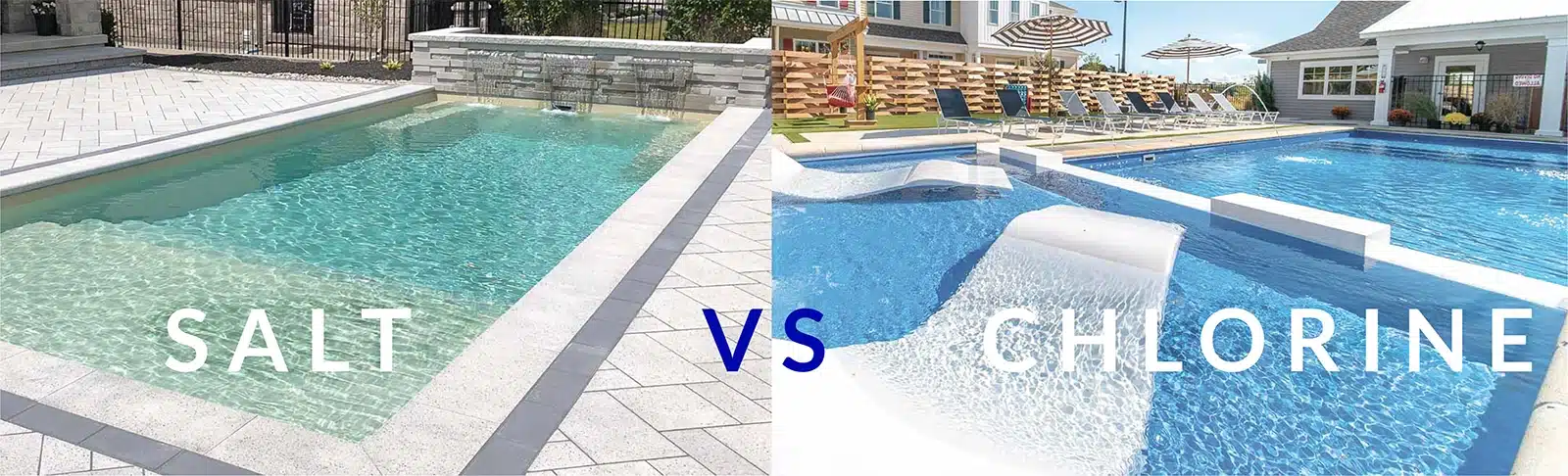
Choosing to build a swimming pool is one of the most exciting decisions you can make for your home, and understanding the entire pool installation process is the first step. It’s the centerpiece of summer fun, family gatherings, and quiet relaxation. But before you can dive in, you face a crucial choice: will it be a saltwater or a traditional chlorine pool? This decision, often framed as salt vs chlorine pools, impacts everything from your daily maintenance routine to the very feel of the water on your skin.
Making the right choice for your Pennsylvania home doesn’t have to be complicated. This guide will walk you through the real differences, costs, and maintenance involved with each system. By the end, you’ll have a clear understanding of which pool type best fits your family’s lifestyle and budget, helping you move one step closer to your dream backyard.
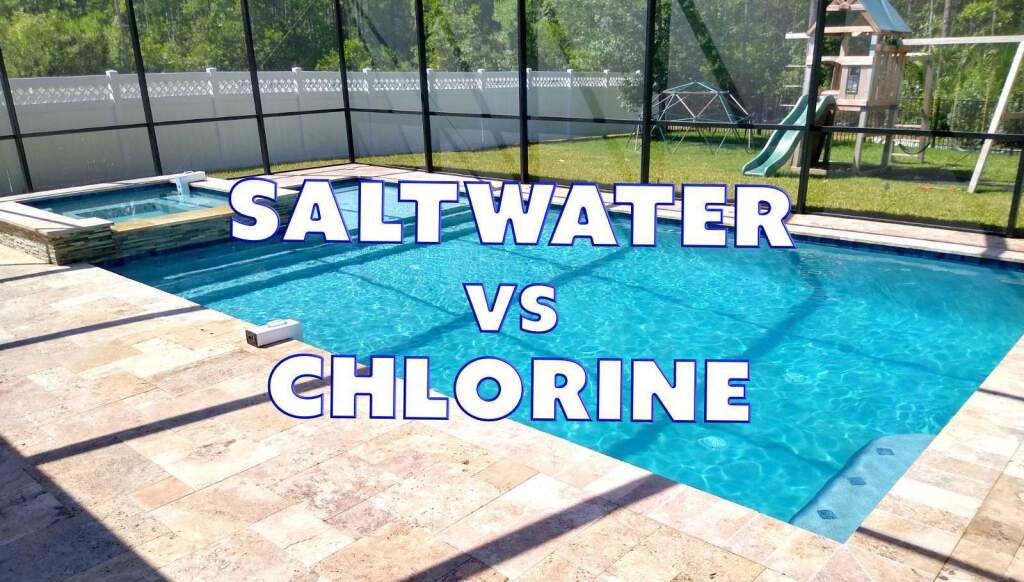
What’s the Real Difference, Anyway for salt vs chlorine pool ?
First, let’s clear up the biggest misconception in the salt pool versus chlorine debate. Saltwater pools are not chlorine-free. The magic is in how the chlorine is produced.
A saltwater pool uses a system called a salt-chlorine generator. You add special, pool-grade salt to the water, dissolving it until it reaches a low concentration (about as salty as human tears, not the ocean). As this mildly salty water passes through the generator’s cell, a process called electrolysis converts the salt (sodium chloride) into chlorine. This freshly produced chlorine sanitizes your pool and then reverts to salt, creating a continuous cycle.
A traditional chlorine pool, on the other hand, requires you to add chlorine directly. This is usually done with tablets, liquid, or granular chlorine that you manually put into the pool or an automatic chlorinator. You are responsible for consistently monitoring and replenishing the chlorine levels to keep the water safe and clean.
So, the fundamental difference isn’t about having chlorine; it’s about chlorine delivery. One makes its own, while the other needs you to add it.
The Feel Factor: Swimmer Comfort
How the water feels is a huge factor for many families. After all, the goal is to create a comfortable and inviting oasis.
Saltwater Pools
Ask anyone with a saltwater pool what they love most, and they’ll likely rave about the water. Saltwater feels noticeably softer and silkier on the skin. Because the chlorine level is lower and more stable, you avoid many of the classic complaints associated with traditional pools:
- Gentle on Eyes and Skin: The low salinity is similar to that of your own body, so it’s far less likely to cause red, itchy eyes or dry, irritated skin.
- No Harsh Smell: That strong “pool smell” isn’t actually chlorine itself, but a byproduct called chloramines, a phenomenon explained by the CDC which forms when chlorine reacts with contaminants. Saltwater pools produce pure chlorine on-site and tend to have far fewer chloramines, resulting in a cleaner, fresher scent.
- Better for Hair: Say goodbye to that dry, brittle “swimmer’s hair.” The softer water and lack of additives are much kinder to color-treated or sensitive hair.
Traditional Chlorine Pools
The experience in a traditional chlorine pool is one most of us grew up with. While perfectly safe when balanced correctly, the higher concentration of directly added chlorine and the potential for chloramine buildup can lead to:
- A noticeable chemical smell.
- Dry skin and potential for irritation.
- Red eyes after a long swim session.
For families with sensitive skin, allergies, or asthma, the gentle nature of a saltwater system is often the deciding factor.
Maintenance: What’s the Day-to-Day Reality?
Every pool requires maintenance, and learning the best practices for maintaining its longevity is key, though the workload looks different for each system. Don’t fall for the myth that saltwater pools are “zero maintenance”—they’re just different maintenance.
Saltwater Pool Maintenance
The biggest advantage here is consistency. The salt-chlorine generator produces a steady, controlled amount of chlorine automatically, so you don’t have to worry about daily dosing. This means more stable water chemistry and less “yo-yoing” of chemical levels.
Your primary tasks include:
- Regular Water Testing: You still need to test for pH and alkalinity weekly and adjust as needed. The generator works best within specific ranges.
- Cleaning the Salt Cell: The generator’s cell needs to be inspected and cleaned every 3–4 months to remove mineral buildup. This is a simple process, but a crucial one for the system’s longevity.
- Adding Salt: You only need to add more salt once or twice a year to replace what’s lost from splash-out or backwashing.
Traditional Chlorine Pool Maintenance
Maintaining a chlorine pool is a more hands-on, routine process. You are the chlorine generator.
Your primary tasks include:
- Frequent Testing and Dosing: You’ll need to test the water several times a week and add chlorine to maintain the proper sanitation level.
- Shocking the Pool: Periodically, you’ll need to “shock” the pool with a heavy dose of chlorine to eliminate contaminants and chloramines.
- Handling Chemicals: This involves purchasing and transporting these items, which requires following the EPA’s guidelines for safe handling as they can be caustic.
For homeowners who prefer a “set it and forget it” approach, the automated nature of a saltwater system is very appealing. For those who don’t mind a consistent, manual routine, a traditional chlorine system is perfectly manageable.
Cost Breakdown: Upfront vs. Long-Term
A detailed breakdown of new swimming pool costs is a key consideration when planning a major home improvement project. The salt vs. chlorine pool cost comparison has two parts: the initial investment and the long-term operational expenses.
Here’s a simple table to break it down:
| Cost Factor | Saltwater Pool | Traditional Chlorine Pool |
| Upfront Cost | Higher. The salt-chlorine generator is the main additional expense, typically costing $1,500 – $2,500 installed. | Lower. No generator is needed, making the initial setup more affordable. |
| Annual Chemical Cost | Lower. A year’s supply of salt might only cost $50 – $100. | Higher. Annual costs for chlorine tablets or liquid can range from $300 – $800. |
| Major Replacement Cost | The salt cell needs to be replaced every 3-7 years at a cost of $600 – $900. | No equivalent major replacement part. |
| Electricity Cost | Minor increase in electricity bill to run the generator. | No additional electricity cost. |
Over the lifespan of a pool, the costs tend to even out. A saltwater pool has a higher entry price but saves you money on annual chemicals. A chlorine pool is cheaper to install but has higher recurring chemical costs. At FS Landscaping Contractors, we can provide a detailed estimate and help you explore our flexible financing options.
Does Salt Corrode Pool Equipment?
This is a valid and common concern. The simple answer is yes, salt is inherently corrosive, but this is a risk mitigated by following key industry standards for materials and installation. The salt concentration in a saltwater pool is very low, so the risk is minimal and easily managed with proper planning.
When building a saltwater pool, we ensure that all metallic components, like ladders, handrails, light fixtures, and other innovative pool features, are made from marine-grade stainless steel or powder-coated materials designed to resist corrosion. It’s also important to choose the right coping material, so it’s worth comparing options like stamped concrete vs. pavers. Some porous natural stones can be susceptible to salt damage, which is why we guide homeowners toward durable options that stand up beautifully to salt exposure.
With proper installation and material selection, corrosion is a non-issue.
The Final Verdict: Which Is Right for Your Family?
The decision between a salt vs chlorine pool is a personal one. There is no single “better” option—only the option that is better for you.
Choose a Saltwater Pool if:
- Comfort is your top priority. You want the softest water possible that’s gentle on skin, eyes, and hair.
- You want more stable, hands-off sanitation. You prefer an automated system over daily chemical dosing.
- You’re willing to invest more upfront for lower annual chemical costs and a more luxurious swimming experience.
Choose a Traditional Chlorine Pool if:
- Upfront budget is your primary concern. You want the most affordable way to get a new pool installed.
- You don’t mind a hands-on maintenance routine. You’re comfortable with regularly testing and adding chemicals.
- Simplicity is key. You prefer a tried-and-true system that any pool professional can easily service.
Ready to take the next step toward your dream backyard in Pennsylvania? The team at FS Landscaping Contractors has years of experience designing and building beautiful, high-quality pools of both types. We can walk you through the options, answer all your questions, and guide you through our custom swimming pool design process to create a plan that fits your family’s needs and vision perfectly.
Contact us today for a free consultation, and let’s start building your summer oasis.