
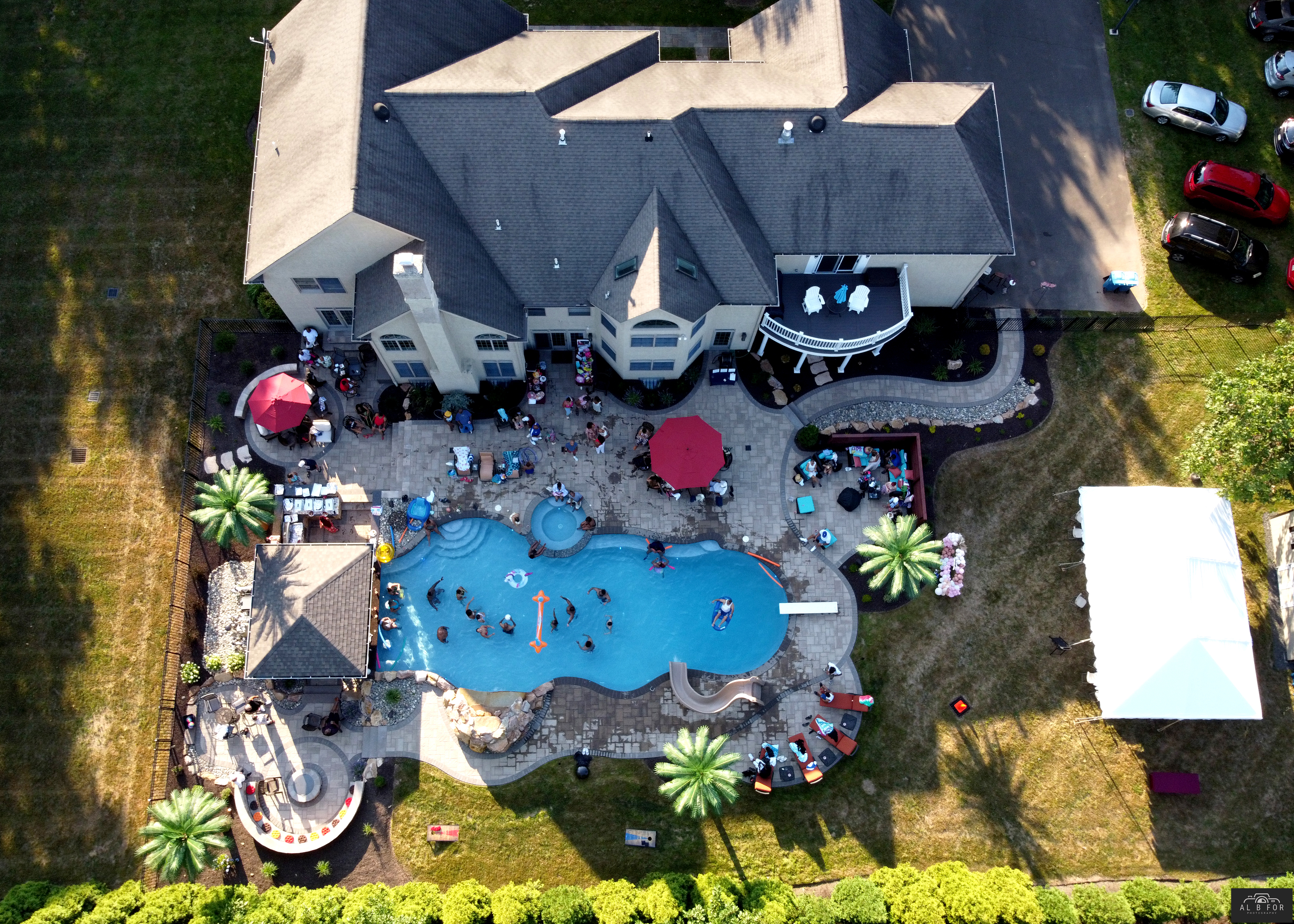

Building an in-ground pool represents one of the largest investments Pennsylvania homeowners make in their properties. Yet many rush into contracts without proper due diligence, leading to construction delays, budget overruns, and substandard workmanship. The mistakes to avoid when selecting pool contractors can mean the difference between a backyard oasis that adds value to your home and a financial nightmare that drains your savings.
Pennsylvania’s climate and soil conditions present unique challenges for pool construction. From freeze-thaw cycles that affect structural integrity to local zoning requirements that vary by municipality, choosing experienced local pool construction experts becomes critical. This guide walks you through the five most common errors homeowners make during the hiring process and provides actionable strategies to protect your investment.
Key Takeaways
- Always verify that pool contractors near me PA hold current state licenses and insurance coverage
- Detailed written contracts protect you from unexpected costs during pool installation services PA
- Research pool builder reviews PA from multiple sources before making your final decision
- Licensed pool builders PA must follow specific regulations that protect your investment
- Compare at least three quotes to understand fair pricing for in-ground pool companies PA
- Ask about pool builder financing options early in the selection process
Mistake #1: Failing to Verify Licenses and Insurance
Why Licensing Matters in Pennsylvania
The Pennsylvania Home Improvement Consumer Protection Act requires contractors performing work valued over $5,000 to register with the Office of Attorney General. Licensed pool builders in PA must maintain this registration and carry specific insurance coverage. Many homeowners skip this verification step, assuming any company advertising pool services operates legally.
Working with unlicensed contractors exposes you to significant risks. If injuries occur on your property during construction, you may face liability. Additionally, unlicensed builders often lack the technical knowledge to navigate local building codes, resulting in failed inspections and costly retrofits.
How to Verify Credentials Properly
Step-by-Step Verification Process:
- Request the contractor’s Home Improvement Contractor (HIC) registration number
- Verify the registration through the Pennsylvania Office of Attorney General website
- Confirm general liability insurance (minimum $500,000 recommended)
- Check for workers’ compensation coverage for all employees
- Verify the company’s standing with the Better Business Bureau
- Contact your local municipality to confirm any additional local licensing requirements
Do’s and Don’ts
Do:
- Request certificates of insurance directly from the insurance company
- Verify that insurance policies remain current throughout your project timeline
- Ask for references from recent projects completed in Pennsylvania
Don’t:
- Accept photocopies of licenses or insurance without verification
- Assume a professional-looking website indicates proper licensing
- Skip background checks because a contractor was referred by a friend
Real-World Scenario
A homeowner in Chester County hired an unlicensed contractor offering prices 30% below competitors. Midway through excavation, the crew struck a utility line, causing $15,000 in damages. Without proper insurance, the homeowner faced the entire repair bill. The project was abandoned, leaving a massive hole in the backyard and requiring a complete restart with a licensed pool builder at additional expense.
Mistake #2: Choosing Based on Price Alone
Understanding Quote Variations
Price differences between residential pool contractors in PA often reflect material quality, construction methods, and included services rather than simple profit margins. The lowest bid frequently excludes critical components or uses inferior materials that require replacement within years.
Price Comparison Table
| Quote Component | Low-End Quote | Mid-Range Quote | Premium Quote |
|---|---|---|---|
| Steel reinforcement | Standard gauge | Heavy gauge | Commercial grade |
| Plumbing warranty | 1 year | 5 years | Lifetime |
| Gunite/concrete | 3,000 PSI | 4,000 PSI | 5,000 PSI |
| Equipment brands | Generic | Mid-tier | Industry leading |
| Included features | Basic pool only | Pool + basic decking | Complete outdoor living |
| Labor warranty | 1 year | 3 years | 5 years |
What Questions to Ask
When comparing quotes from in-ground pool companies in PA, request itemized proposals breaking down:
- Excavation and hauling specifications
- Concrete strength and steel reinforcement gauges
- Equipment brands and model numbers
- Plumbing and electrical materials quality
- Warranty terms for labor and materials
- Timeline with milestone dates
- What triggers additional charges
If you need a pool that withstands Pennsylvania’s harsh winters, choose contractors who use enhanced freeze protection methods—even if initial costs run higher. If your property has challenging soil conditions like clay or rock, expect legitimate quotes to include specialized excavation provisions. For example, what to expect when building a gunite pool in PA includes insights on site-specific challenges.
Mistake #3: Ignoring Reviews and References
Where to Research Pool Builder Reviews PA
Relying on a single review source provides an incomplete picture. Best-rated pool builders in PA maintain strong reputations across multiple platforms, including:
- Google Business listings
- Better Business Bureau profiles
- Angie’s List/Angi ratings
- Houzz portfolios
- Social media business pages
- Industry association memberships
The Pool & Hot Tub Alliance (PHTA) maintains directories of member companies who adhere to industry standards and continuing education requirements.
Red Flags in Reviews
Pay attention to patterns rather than isolated complaints. Warning signs include:
- Multiple mentions of abandoned projects
- Consistent complaints about communication breakdowns
- References to unauthorized charges
- Reports of subcontractor payment disputes
- Lack of response to negative feedback
Pros and Cons of Different Review Sources
Pros of Independent Review Sites:
- Verified customer experiences
- Detailed project descriptions
- Photo documentation of completed work
- Response patterns from the company
Cons of Independent Review Sites:
- Potential for fake reviews (both positive and negative)
- Self-selection bias
- Lack of context about project complexity
Pros of Direct References:
- Ability to ask specific questions about your concerns
- Visual inspection of completed pools years after installation
- Candid discussions about problems and resolutions
Cons of Direct References:
- Companies provide only satisfied customers
- Recent projects may not reveal long-term durability issues
Reference Interview Questions
When speaking with provided references, ask:
- How closely did the final cost match the original quote?
- Did the project finish on schedule or were there delays?
- How did the company handle unexpected issues during construction?
- What would you do differently if building another pool?
- Has the builder provided responsive service for warranty issues?
For a deeper dive into evaluating builders, see our guide on how to choose a reputable pool builder in Pennsylvania.
Mistake #4: Signing Incomplete or Vague Contracts
Essential Contract Elements
A comprehensive contract from professional pool installation services in PA protects both parties by clearly defining expectations. Pennsylvania law requires specific disclosures for home improvement contracts, including the contractor’s registration number, a detailed description of work, and payment schedules.
Required Contract Components
Your agreement should specify:
Project Scope:
- Exact pool dimensions and depth
- Materials specifications with brand names and models
- Equipment list with manufacturer warranty information
- Landscaping and decking included in the project
- Who obtains permits and handles inspections
Financial Terms:
- Total contract price
- Payment schedule tied to completion milestones
- Policy for change orders and additional costs
- When final payment is due (typically after final inspection)
Timeline:
- Start date
- Substantial completion date
- Process for weather delays or unforeseen conditions
- Penalties for excessive delays
Warranties:
- Workmanship warranty period
- Manufacturer warranties for equipment
- Structural warranty for pool shell
- What voids warranty coverage
Do’s and Don’ts for Contract Review
Do:
- Have an attorney review contracts for projects exceeding $50,000
- Request clarification on any ambiguous language before signing
- Ensure permits and inspections are included in the scope
- Verify that the contract specifies Pennsylvania law governs the agreement
Don’t:
- Sign contracts with blank spaces to be “filled in later”
- Accept verbal promises not documented in writing
- Agree to pay large upfront deposits (Pennsylvania law limits deposits)
- Feel pressured to sign immediately to secure pricing
Case Study: The Cost of Vague Language
A Bucks County couple signed a contract stating the builder would install “appropriate decking around the pool.” The homeowners expected stamped concrete matching their patio, while the builder installed basic brushed concrete. The contract’s vague language left no recourse. Resolution required mediation and a $5,000 upgrade payment from the homeowners. A specific contract clause describing “200 square feet of stamped concrete in slate pattern matching existing patio” would have prevented this dispute.
For more on what your warranty should cover, read what your pool warranty really covers.
Mistake #5: Not Discussing Pool Builder Financing Options Upfront
Understanding Financing Impact on Project Timing
Many Pennsylvania homeowners require financing for pool construction costs ranging from $40,000 to $100,000 or more. Waiting to explore pool builder financing options until after selecting a contractor can delay projects by weeks or months and may even disqualify you from preferred contractors who require financial verification before scheduling.
Financing Options Comparison
| Financing Type | Typical Terms | Best For | Considerations |
|---|---|---|---|
| Home equity loan | 5–15 years, fixed rate | Homeowners with substantial equity | Requires home appraisal |
| HELOC | 10–20 years, variable rate | Phased construction projects | Interest rates fluctuate |
| Personal loan | 3–7 years, higher rates | Smaller projects or those avoiding home liens | Higher monthly payments |
| Builder financing | Varies by partner lender | Quick approval processes | May include contractor markup |
| Cash-out refinance | 15–30 years, mortgage rates | Major renovations beyond pool | Closing costs and longer timeline |
Financial Preparation Steps
Before contacting contractors:
- Check your credit score and address any issues reducing your score
- Calculate your debt-to-income ratio to understand borrowing capacity
- Gather documentation including tax returns, pay stubs, and bank statements
- Get pre-qualified with at least two lenders to compare terms
- Determine your comfortable monthly payment amount
If you need to proceed quickly due to seasonal considerations, builder-partnered financing often provides faster approval than traditional home equity products. If you want the lowest interest rate and can wait 45–60 days, home equity loans typically offer better terms.
For smart strategies to avoid financial pitfalls, explore common pool financing pitfalls for PA homeowners.
Hidden Cost Considerations
Pool construction involves expenses beyond the pool shell itself. Budget for:
- Permit fees ranging from $200 to $1,000 depending on municipality
- Utility relocations if lines run through the excavation area
- Landscaping restoration around the construction zone
- Fence installation or upgrades to meet safety codes
- Initial chemical startup and maintenance equipment
- Increased homeowners insurance premiums
- Higher property taxes due to increased home value
Many homeowners secure financing for only the pool construction cost, then face unexpected expenses requiring credit cards or additional borrowing. Add 15–20% contingency to your financing amount for these peripheral costs.
Additional Considerations When Hiring Pool Contractors Near Me PA
Understanding Pennsylvania-Specific Regulations
Pennsylvania’s building codes incorporate the International Swimming Pool and Spa Code with state-specific modifications. Municipalities add local requirements affecting setbacks, fencing, and electrical installations. Experienced local pool construction experts navigate these regulations efficiently, avoiding costly compliance failures.
The Pennsylvania Department of Labor & Industry enforces pool barrier requirements designed to prevent child drowning. Barriers must meet specific height, gate, and latch requirements. Non-compliant installations face citations and required modifications.
For details on local permitting, see Pennsylvania pool permit requirements you need to know. And for fencing specifics, review Pennsylvania pool fence requirements and design tips.
Seasonal Timing Advantages
Pennsylvania’s construction season runs from April through October, with spring being the busiest booking period. Contractors schedule 6–12 months in advance during peak seasons. Consider these timing strategies:
If you start planning in fall or winter, you access better availability and sometimes discounted pricing from contractors filling their spring schedules. If you need completion for a specific date like summer hosting events, add extra buffer time for weather delays and permit processing.
Material Selection for Pennsylvania Climate
Pennsylvania’s freeze-thaw cycles place special demands on pool materials. Discuss these climate considerations:
- Concrete pools require proper steel reinforcement and mix design for freeze resistance
- Coping and decking materials must be rated for freeze-thaw durability
- Plumbing must include proper depth and winterization features
- Equipment should include freeze protection sensors
Some materials popular in warmer climates fail prematurely in Pennsylvania. Ask contractors about their material selections specifically for cold-climate durability rather than accepting standard specifications. Learn more in our guide to what to expect when building a gunite pool in PA.
Quick Answers – FAQ Section
How do I verify a pool builder’s license in Pennsylvania?
Visit the Pennsylvania Office of Attorney General website and search their Home Improvement Contractor database using the company name or HIC number. Verify the registration remains current and check for any violations or complaints.
What’s a reasonable deposit for pool construction in Pennsylvania?
Pennsylvania law limits deposits to one-third of the contract price or $1,000, whichever is greater. Refuse contractors requesting larger upfront payments, as this violates state regulations designed to protect consumers.
How long does pool construction typically take in PA?
Most in-ground pool projects require 8–12 weeks from excavation to completion, though complex designs or permit delays can extend timelines. Weather significantly impacts schedules during Pennsylvania’s variable spring and fall seasons.
Should I hire a pool designer separately from the builder?
For custom designs with unique features, separate designers provide specialized expertise. Standard rectangular or kidney-shaped pools rarely justify separate design fees. Many established builders offer complimentary design services included in construction contracts.
What warranties should I expect from reputable pool builders?
Structural warranties on concrete shells typically span 10–25 years or lifetime, while workmanship warranties cover 1–5 years. Equipment carries manufacturer warranties ranging from 1–3 years depending on components. Always get warranty terms in writing. See what your pool warranty really covers for details.
Can I act as my own general contractor to save money?
While legal in Pennsylvania, self-contracting requires coordinating multiple specialized subcontractors, pulling permits, scheduling inspections, and ensuring work meets codes. Most homeowners lack the expertise to manage pool construction effectively, often creating more problems than savings.
What happens if my pool builder goes out of business mid-project?
Pennsylvania’s Home Improvement Consumer Protection Act provides some recourse through the Guaranty Fund for registered contractors. File a claim immediately and consult an attorney about mechanics liens and bonding options to secure completion.
Do I need special homeowners insurance for a pool?
Yes, pools significantly increase liability exposure. Contact your insurance agent before construction begins to discuss coverage increases and potential premium changes. Most carriers require liability limits of at least $300,000 for properties with pools.
How much does pool maintenance cost annually in Pennsylvania?
Expect $1,200–2,500 annually for chemicals, equipment repairs, opening, and closing services. DIY maintenance reduces costs but requires time investment and proper chemical knowledge. Factor ongoing costs into your total budget planning.
What’s the difference between a pool builder and pool contractor?
These terms are often used interchangeably. Both design and construct pools, though some builders focus exclusively on pool construction while general contractors may include pools among broader home improvement services. Verify specific pool experience regardless of title.
Glossary of Terms
Gunite: A specialized concrete mixture sprayed at high pressure to form pool shells. Gunite creates strong, durable structures that conform to custom shapes and withstand Pennsylvania’s freeze-thaw cycles better than some alternative materials. Learn more in our guide to what to expect when building a gunite pool in PA.
Pool Barrier: A fence, wall, or other structure meeting Pennsylvania safety code requirements designed to prevent unsupervised access to pools by young children. Barriers must include self-closing and self-latching gates with specific height and clearance specifications. See Pennsylvania pool fence requirements and design tips for full details.
HIC Registration: Home Improvement Contractor registration required by Pennsylvania law for contractors performing work valued over $5,000. Registration includes background checks and proof of insurance, protecting consumers from unlicensed operators.
Bonding: A financial guarantee that compensates homeowners if contractors fail to complete work as specified. Bonded contractors provide additional financial security beyond basic insurance requirements, though Pennsylvania does not mandate bonding for pool builders.
Conclusion
Avoiding these five critical mistakes when hiring pool builders in Pennsylvania protects your investment and ensures a smooth construction experience. Verifying licenses and insurance, evaluating contractors beyond price alone, thoroughly researching reviews and references, securing detailed contracts, and addressing financing early in the process establish the foundation for successful projects.
Pennsylvania homeowners who take time for proper contractor selection enjoy pools that enhance their properties for decades while avoiding the stress and expense of construction failures. The best-rated pool builders in PA appreciate informed customers who ask tough questions and expect professional accountability.
Ready to start your pool project? Begin by requesting quotes from at least three licensed pool builders in Pennsylvania, verify their credentials through official channels, and insist on detailed written proposals before making your final decision. Your dream backyard oasis awaits with the right contractor partnership.