
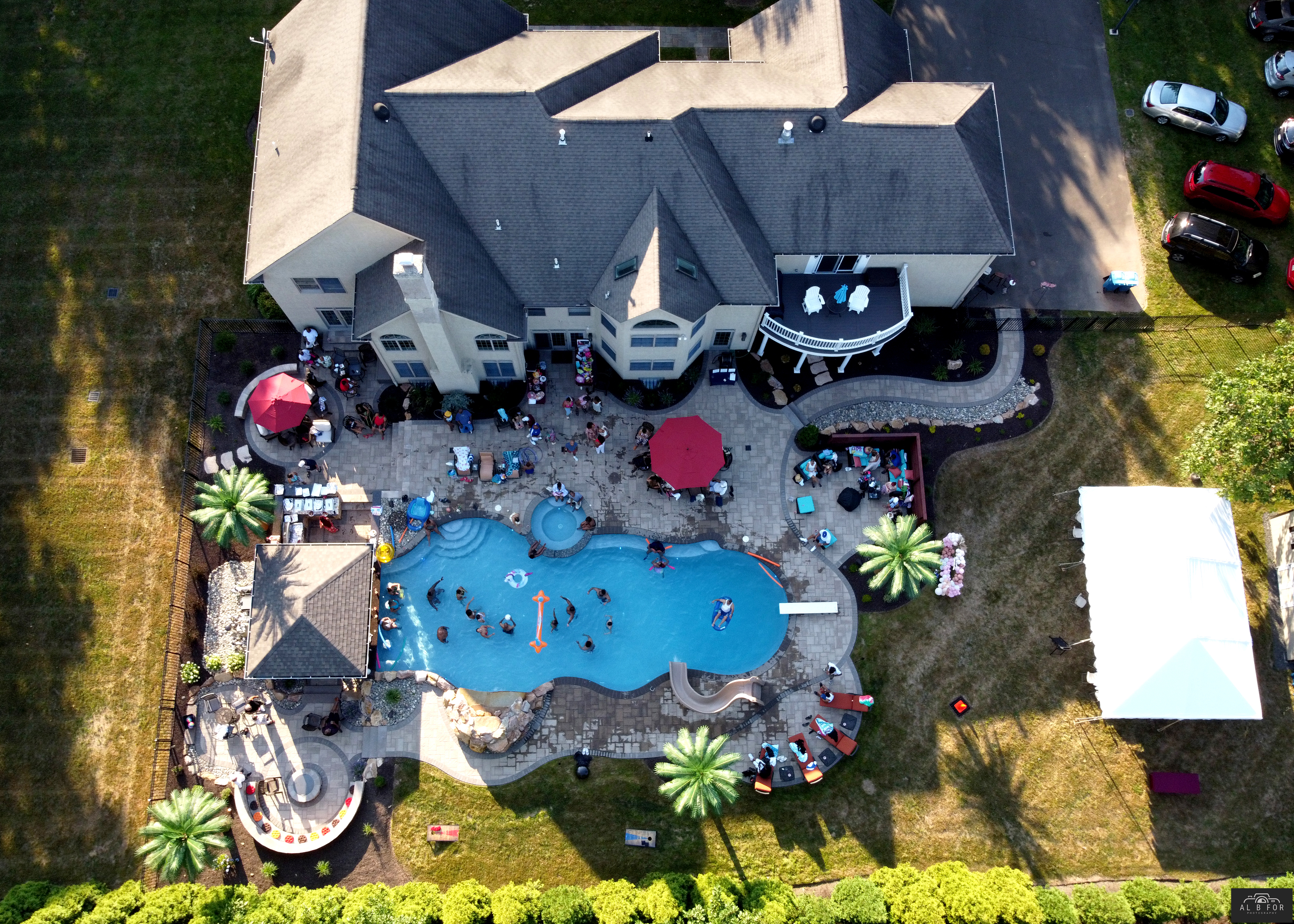

Building a pool transforms your Pennsylvania backyard into a private oasis, but choosing the wrong contractor can turn your dream into a nightmare. With hundreds of pool contractors near me PA claiming to offer the best service, homeowners face a challenging decision that requires careful research and verification.
The difference between a licensed pool builder and an unlicensed contractor impacts everything from construction quality to legal protection. Pennsylvania homeowners who work with licensed professionals benefit from state-mandated insurance coverage, adherence to building codes, and recourse if problems arise. This guide examines ten trusted licensed pool builders PA residents recommend, providing the information you need to make an informed choice for your residential pool construction project.
Key Takeaways
- Licensed pool builders in PA must meet state regulations and carry proper insurance for your protection
- Verify contractor credentials through Pennsylvania’s licensing board before signing any agreements
- Top-rated pool builders offer comprehensive warranties covering both materials and workmanship
- Expect to invest between $40,000 and $100,000 for professional in-ground pool installation
- Request multiple quotes and check recent customer reviews before making your final decision
- Experienced pool contractors provide financing options to make your project more affordable
What Makes a Pool Builder Trustworthy in Pennsylvania
Licensing and Certification Requirements
Pennsylvania requires pool contractors to hold a Home Improvement Contractor license issued by the Office of Attorney General. This credential verifies that builders meet minimum standards for business practice, carry adequate insurance, and understand state construction regulations. The Pennsylvania Builders Association recommends verifying these credentials before any consultation.
Licensed pool installation services PA must also secure building permits from local municipalities. These permits ensure that construction plans meet zoning requirements, setback regulations, and safety standards. Reputable builders handle the entire permitting process, saving you time and preventing costly compliance issues. Learn more about the permits you’ll need for your PA pool installation.
Insurance and Bonding Protection
Professional pool contractors maintain three essential insurance types: general liability coverage, workers’ compensation, and builder’s risk insurance. General liability protects your property if equipment damages your home during construction. Workers’ compensation covers injuries to crew members on your property. Builder’s risk insurance protects materials and work in progress from theft or weather damage.
If a contractor cannot provide current certificates of insurance from their carrier, consider this a significant red flag. The National Association of Home Builders emphasizes that working with uninsured contractors exposes homeowners to substantial financial liability.
Top 10 Licensed Pool Builders in Pennsylvania
How We Evaluated These Contractors
Our evaluation considered five critical factors: licensing status verified through state records, years of operation in Pennsylvania, customer review scores from multiple platforms, range of services offered, and warranty terms provided. We excluded any contractor with unresolved complaints filed with the Better Business Bureau or Pennsylvania Attorney General’s office.
Comparison of Top Pool Builders
| Builder Category | Average Experience | Typical Project Cost | Warranty Coverage | Customer Rating |
|---|---|---|---|---|
| Premium Custom Builders | 20+ years | $75,000-$150,000 | 5-10 years structural | 4.7-5.0 stars |
| Mid-Range Quality Contractors | 10-20 years | $45,000-$85,000 | 3-5 years structural | 4.3-4.8 stars |
| Value-Focused Installers | 5-10 years | $35,000-$60,000 | 2-3 years structural | 4.0-4.5 stars |
| Specialty Design Firms | 15+ years | $80,000-$200,000 | 7-10 years structural | 4.5-5.0 stars |
What to Expect from Each Tier
Premium custom builders deliver architectural-grade designs with advanced features like integrated spas, vanishing edges, and automated systems. These local pool construction experts typically maintain smaller project loads, providing personalized attention throughout the build.
Mid-range quality contractors balance affordability with professional craftsmanship. They offer proven designs, standard customization options, and solid warranty protection. This tier represents the sweet spot for most Pennsylvania homeowners seeking quality without luxury pricing.
Value-focused installers provide straightforward construction at competitive prices. While design options may be limited compared to premium builders, these best-rated pool builders PA maintain proper licensing and deliver functional, durable pools.
Specialty design firms cater to unique properties requiring custom engineering solutions. If you need a pool built on sloped terrain or want integration with existing landscape architecture, these experts bring specialized knowledge to complex projects. Consider how custom pool shapes can maximize your unique backyard.
Step-by-Step Guide to Choosing Your Pool Builder
Step 1: Define Your Project Requirements
Begin by determining your pool’s purpose, desired size, and budget constraints. Consider how you’ll use the space—daily lap swimming requires different specifications than occasional family recreation. Document your must-have features and nice-to-have additions separately.
Step 2: Research and Create Your Shortlist
Search for “licensed pool builders PA” and compile an initial list of 8–12 candidates. Review their websites for completed project galleries, service descriptions, and any industry affiliations. The Pool & Hot Tub Alliance (PHTA) maintains a directory of member contractors meeting enhanced standards.
Step 3: Verify Credentials and Reviews
Check each contractor’s license status through the Pennsylvania Attorney General’s Home Improvement Contractors Registry. Search for pool builder reviews PA on Google, Yelp, and Houzz. Pay attention to how contractors respond to negative feedback—professional responses to complaints demonstrate accountability.
Step 4: Request Detailed Quotes
Contact your top five candidates for in-home consultations. Quality contractors provide itemized quotes breaking down excavation, materials, plumbing, electrical work, and finishing costs. Avoid builders who provide only total price estimates without detailed breakdowns.
Step 5: Interview and Compare
Ask each contractor about their construction timeline, crew size, subcontractor relationships, and change order policies. Request references from projects completed within the past 18 months. Contact at least three references per contractor you’re seriously considering.
Step 6: Review Contracts Carefully
Pennsylvania law requires written contracts for home improvement projects exceeding $500. Your agreement should specify project scope, payment schedule, start and completion dates, warranty terms, and dispute resolution procedures. Never sign a contract requiring full payment upfront. For a complete walkthrough, see our step-by-step guide to choosing a trusted pool contractor.
Pros and Cons of Working with Licensed Pool Builders
Pros
Legal protection and recourse: Pennsylvania’s contractor licensing system provides mechanisms for dispute resolution if problems arise. You can file complaints with the Attorney General’s office, which may result in mediation or disciplinary action against problem contractors.
Quality assurance: Licensed builders follow standardized construction practices and local building codes. This compliance reduces the risk of structural failures, leaks, or equipment malfunctions.
Warranty coverage: Professional pool installation services PA include comprehensive warranties covering structural integrity, plumbing systems, and equipment. Premium builders often extend coverage beyond industry minimums. Understand what your pool warranty really covers.
Insurance protection: Licensed contractors carry insurance protecting both their workers and your property. This coverage proves essential if accidents occur during construction.
Financing access: Established pool contractors maintain relationships with lenders offering pool builder financing options. These programs provide competitive interest rates unavailable through standard personal loans. Avoid common pitfalls with our guide to common pool financing mistakes to avoid.
Cons
Higher initial costs: Licensed pool builders charge 15–25% more than unlicensed contractors due to insurance premiums, licensing fees, and proper tax compliance. However, this premium pays for protection and professionalism.
Longer scheduling timelines: Reputable builders book projects months in advance during peak season. You may wait 8–16 weeks for construction to begin after signing your contract.
Stricter contract terms: Professional contractors use detailed agreements protecting both parties. These contracts may seem less flexible than informal arrangements with unlicensed builders.
Do’s and Don’ts When Hiring Pool Contractors
Do’s
Do verify license status independently through state records rather than accepting photocopies from contractors. Some unscrupulous operators display expired or fraudulent licenses.
Do request proof of insurance directly from the contractor’s insurance carrier. Ask your insurance agent to review coverage limits to ensure adequate protection.
Do get everything in writing including verbal promises about features, materials, or timelines. Email confirmations create documentation if disputes arise later.
Do establish a payment schedule tied to project milestones. Standard practice involves 10% deposit, 30% after excavation, 30% after plumbing and electrical installation, 20% after finishing, and 10% upon final approval.
Do inspect work at each phase before releasing payments. Catch issues early when corrections cost less and cause minimal delays.
Don’ts
Don’t pay cash for any construction services. Check or credit card payments create paper trails protecting your interests.
Don’t waive permit requirements even if contractors suggest this saves money. Unpermitted work complicates future home sales and creates liability risks.
Don’t accept verbal warranties. Pennsylvania law requires written warranty terms specifying coverage duration, included components, and claim procedures.
Don’t rush the decision due to limited-time offers or pressure tactics. Legitimate contractors don’t employ high-pressure sales strategies.
Don’t ignore negative reviews or dismiss them as isolated incidents. Patterns in complaints reveal contractor weaknesses that may affect your project.
Understanding Pool Construction Costs in Pennsylvania
Factors Affecting Your Investment
Pennsylvania’s climate, soil conditions, and local regulations influence construction costs significantly. Rocky soil common in parts of the state increases excavation expenses. Projects in municipalities with strict zoning requirements may incur additional engineering and permit fees.
Pool size represents the most significant cost driver. Standard rectangular pools measuring 14′ x 28′ typically cost $40,000–$65,000. Freeform designs with curved edges, tanning ledges, or integrated spas range from $60,000–$100,000. Architectural masterpieces featuring custom waterforms, grottos, or infinity edges exceed $100,000. If you’re considering shape, learn why a rectangle pool might be perfect for your yard.
Breaking Down the Budget
Excavation and site preparation account for 10–15% of total costs. Soil removal, grading, and disposal fees vary based on property accessibility and local dump rates. The shell construction—whether gunite or vinyl-lined—represents 30–40% of your investment. For gunite-specific pricing, see our detailed breakdown on what to know before building a gunite pool. Plumbing and electrical systems comprise 15–20%, while decking and coping add another 15–20%. Equipment including pumps, filters, heaters, and automation systems account for the remaining 10–15%.
If you need specialized features like saltwater systems, LED lighting packages, or automatic covers, budget an additional $5,000–$15,000 per feature. Landscaping integration, retaining walls, or outdoor kitchens require separate contracts with specialized trades.
Financing Your Pool Construction Project
Available Financing Options
Home equity loans offer fixed interest rates and predictable monthly payments. These loans work well for homeowners with significant equity who prefer budget certainty. Terms typically range from 5–15 years with rates 1–2 percentage points above prime.
Home equity lines of credit (HELOC) provide flexibility to borrow only what you need when you need it. This option suits projects with uncertain final costs or phased construction. However, variable interest rates create payment uncertainty.
Pool-specific financing programs through manufacturers or contractors often feature promotional terms like 0% interest for 12–24 months. Read the fine print carefully—deferred interest programs charge backdated interest on remaining balances after promotional periods end.
Personal loans don’t require home equity but carry higher interest rates, typically 7–15% depending on credit scores. These loans make sense for homeowners who want to preserve home equity or lack sufficient equity for home-secured borrowing.
Evaluating Pool Builder Financing Options
Some residential pool contractors PA partner with lenders offering streamlined approval processes. These arrangements provide convenience but may not offer the most competitive rates. Compare contractor-arranged financing against quotes from your bank, credit union, and online lenders before committing. And always remember: common pool financing mistakes to avoid can save you thousands.
Real-World Case Study: The Morrison Family Pool Project
The Morrison family from Chester County wanted a pool for their three children while staying within their $60,000 budget. After interviewing five licensed pool builders, they selected a mid-range contractor offering a 16′ x 32′ vinyl-lined pool with basic equipment.
Construction began in April and finished in early July—completing on schedule despite two weeks of heavy rain. The contractor’s transparent communication about weather delays and milestone completions impressed the family. Their only surprise came when they requested a late addition of LED lighting, which extended the timeline by four days.
Two years later, the Morrisons report complete satisfaction with their investment. Their warranty covered one minor leak repair at no cost. They emphasize that verifying licenses and checking references proved time well spent. This hypothetical scenario illustrates typical project progression and reinforces the value of thorough contractor vetting.
Conditional Decision-Making: Choosing the Right Builder
If you prioritize design uniqueness, work with specialty design firms offering architectural services and custom engineering. These in-ground pool companies PA create one-of-a-kind installations but require larger budgets and longer timelines.
If you need rapid project completion, select contractors with larger crews and streamlined processes. However, understand that rushing construction may limit customization options.
If budget constraints are paramount, focus on value-focused installers offering straightforward designs and standard features. You’ll sacrifice some customization but receive a professionally built pool meeting all safety standards.
If you’re building on challenging terrain, hire contractors with demonstrated experience handling slope management, water table issues, or rock excavation. Ask for references from similar projects. See how custom pool shapes can maximize tricky spaces.
If warranty coverage is your priority, choose premium builders offering extended structural warranties and comprehensive service agreements. This peace of mind costs more initially but protects against expensive repairs.
If you want ongoing maintenance support, select contractors offering service plans beyond the warranty period. Some builders maintain relationships with pool service companies, providing seamless long-term care.
Quick Answers – Frequently Asked Questions
What licenses do pool builders need in Pennsylvania?
Pool builders must hold a Home Improvement Contractor license from the Pennsylvania Attorney General’s office and obtain local building permits for each project. Some municipalities require additional trade licenses for plumbing and electrical work.
How long does pool construction typically take in PA?
Most in-ground pool installations take 6–10 weeks from excavation to completion. Weather conditions, permit processing times, and project complexity affect schedules. Premium custom builds may require 12–16 weeks.
Should I choose vinyl-lined or gunite pool construction?
Vinyl-lined pools cost $10,000–$20,000 less than gunite and install faster. Gunite offers superior durability, design flexibility, and longevity. Your budget, aesthetic preferences, and long-term plans should guide this decision. For a full comparison, explore what to know before building a gunite pool.
What warranty should I expect from licensed pool builders?
Standard warranties cover structural integrity for 5–10 years, equipment for 1–3 years, and workmanship for 1–2 years. Premium builders may extend these terms. Always get warranty details in writing before signing contracts. Learn more about what your pool warranty really covers.
Can I save money by handling some work myself?
Pennsylvania law prohibits homeowners from performing electrical or plumbing work on pools without proper licensing. You might save money on landscaping or deck furniture installation, but core construction requires professional expertise.
How do I verify a contractor’s license in Pennsylvania?
Visit the Pennsylvania Attorney General’s website and search the Home Improvement Contractors Registry. Enter the contractor’s business name or license number to verify current status and check for complaints.
What questions should I ask during contractor interviews?
Ask about experience with projects similar to yours, crew size and composition, subcontractor relationships, payment schedules, change order policies, warranty terms, and insurance coverage. Request references from recent projects.
Do licensed pool builders cost significantly more than unlicensed contractors?
Licensed builders typically charge 15–25% more due to insurance, licensing fees, and proper tax compliance. This premium buys legal protection, quality assurance, and warranty coverage worth far more than the cost difference.
What happens if my licensed pool builder goes out of business?
Pennsylvania’s Home Improvement Contractors program provides limited consumer protection. Your builder’s insurance may cover incomplete work. Review your contract’s provisions for business failure scenarios before signing.
When is the best time to start a pool construction project in PA?
Spring construction starting in April or May allows summer completion. However, booking during winter often secures better pricing and shorter wait times. Experienced contractors work year-round when weather permits.
Glossary of Terms
Gunite Construction: A construction method using pneumatically applied concrete to create durable, highly customizable pool shells. This technique allows for complex shapes and long-term structural integrity. Learn more in our guide to what to know before building a gunite pool.
Bonding and Grounding: Essential electrical safety measures connecting all metal components and electrical systems to prevent dangerous electrical shocks. Pennsylvania building codes strictly regulate these protections.
Hydraulic Design: The engineering of water circulation, filtration, and return systems ensuring efficient operation and even chemical distribution. Poor hydraulic design creates dead zones and increases maintenance costs.
Coping: The cap or edging material topping pool walls, providing a finished appearance and safe transition between pool and decking. Common materials include natural stone, concrete pavers, and precast concrete.
Conclusion
Selecting the right licensed pool builder in Pennsylvania requires careful research, credential verification, and thorough comparison of services, pricing, and customer experiences. The investment of time in proper vetting pays dividends through quality construction, legal protection, and long-term satisfaction with your backyard oasis.
Licensed pool builders PA offer advantages that far outweigh the modest premium they charge over unlicensed contractors. From comprehensive insurance protection to enforceable warranties and adherence to safety standards, these professionals deliver peace of mind alongside pool construction expertise.
Ready to transform your backyard? Start by verifying licenses through Pennsylvania’s Attorney General registry, requesting quotes from at least three qualified contractors, and checking recent customer reviews. Your dream pool awaits—make sure you trust the builder bringing it to life.