
Key Takeaways
- Pool installation services Pennsylvania include design, permits, excavation, plumbing, electrical, and finishing.
- Pool builders near Philadelphia handle very different challenges in row-home backyards versus open suburban lots.
- City projects often involve stricter permits, narrow access, and creative small-space designs.
- Suburban builds allow larger pools, integrated landscaping, and shorter approval timelines.
- Always verify licensing, insurance, and references before signing any pool installation contract.
- Financing, warranty terms, and post-build service vary widely between residential pool contractors in PA.
Introduction
Building a backyard pool in the Greater Philadelphia region is a significant investment, and the contractor you choose shapes the entire experience. Whether you live in a Fishtown row home or a Main Line estate, local Philadelphia pool builders approach each project differently based on lot conditions, township codes, and design goals. The decision isn’t just about price; it’s about matching the builder’s strengths to your specific site.
This guide compares city and suburban pool construction, walks through how to vet local pool construction experts, and gives you a clear framework for hiring. You’ll learn what questions to ask, what red flags to avoid, and how to plan realistically for permits, timelines, and financing.
Why City and Suburban Pool Projects Are Not the Same
Philadelphia proper and its surrounding counties (Montgomery, Bucks, Chester, Delaware) share a labor pool and supplier network, but the building conditions differ sharply. A contractor experienced in tight urban excavation may not be the best fit for a sprawling Bucks County property, and vice versa.
Urban builds typically involve narrow side yards, shared property lines, older utility lines, and oversight that aligns with Philadelphia pool permitting guidelines through the Department of Licenses and Inspections. Suburban builds in townships often allow larger footprints but introduce septic, well, and HOA considerations.
City Projects: What to Expect
City pool installations frequently use compact plunge and lap pool designs that maximize small footprints. Rectangular geometric shapes dominate. Builders need experience maneuvering equipment through alleys or even craning materials over rooftops.
Suburban Projects: What to Expect
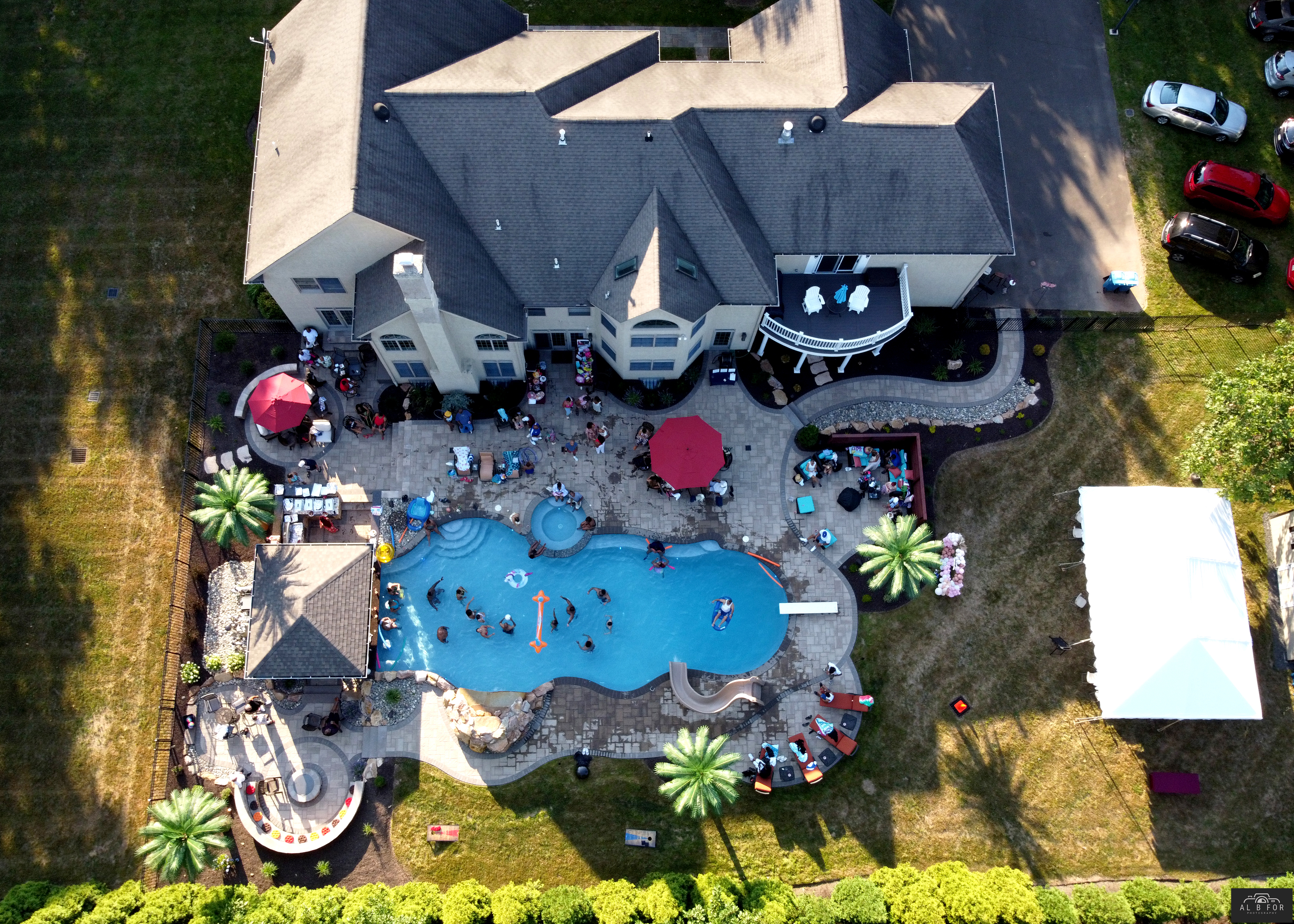
Suburban projects allow more freedom, including freeform designs, attached spas, tanning ledges, and integrated patios. Most builders here focus on in-ground gunite and vinyl-liner construction paired with full landscape packages.
Pool Type Comparison
| Feature | Concrete/Gunite | Fiberglass | Vinyl Liner |
|---|---|---|---|
| Install Time | 8–12 weeks | 2–4 weeks | 4–6 weeks |
| Cost Range (PA) | $60,000–$100,000+ | $45,000–$75,000 | $40,000–$65,000 |
| Customization | Unlimited shapes/features | Limited to manufacturer shells | Flexible, but shape constraints apply |
| Durability | 50+ years (with resurfacing) | 30–50 years | 10–15 years per liner replacement |
| Maintenance | Moderate (pH balancing, surface care) | Low (smooth surface resists algae) | Moderate (liner care, chemical monitoring) |
| Pennsylvania Suitability | Excellent for freeze/thaw cycles | Good, requires proper backfill | Good, cost-effective for suburban yards |
City vs. Suburb: Side-by-Side Comparison
| Factor | Philadelphia City Lots | Suburban Properties |
|---|---|---|
| Typical pool size | 10×20 to 14×28 ft | 16×32 to 20×40 ft |
| Common design | Plunge, lap, geometric | Freeform, L-shape, rectangle with spa |
| Permit timeline | 6–12 weeks (L&I) | 3–8 weeks (township) |
| Site access | Often constrained; cranes possible | Usually open driveway access |
| Excavation cost | Higher per cubic yard | Lower per cubic yard |
| Landscaping scope | Limited, hardscape-focused | Full landscape integration |
| HOA review | Rare | Common in planned communities |
Pros and Cons Table
| Pros | Cons |
|---|---|
| Single-point accountability for design and excavation | Higher upfront cost compared to DIY or budget contractors |
| Expert navigation of local township codes and setbacks | Longer scheduling timelines during peak summer season |
| Access to commercial-grade filtration and automation systems | Custom features may require extended engineering lead times |
| Built-in warranty coverage on structure and equipment | Site access limitations in historic neighborhoods can delay starts |
| Professional project management reduces homeowner stress | Strict payment schedules require upfront financial planning |
How to Choose Pool Builders Near Philadelphia: A Step-by-Step Process
Hiring the right builder isn’t about picking the lowest bid. It’s about confirming the company can deliver your specific project safely, legally, and on schedule.
Define your project scope. Decide on pool type (gunite/concrete or vinyl-liner), approximate size, and must-have features such as a spa, automatic cover, or saltwater vs. traditional chlorine systems. Note: reputable in-ground pool companies in PA will guide this conversation; they shouldn’t push above-ground or fiberglass shells if those aren’t part of your goal.
Check licensing and insurance. Confirm the builder holds a valid Pennsylvania Home Improvement Contractor registration through the PA Attorney General’s office, plus general liability and workers’ compensation coverage.
Review portfolios for similar projects. A builder with twenty backyard rectangles in Newtown may not be ideal for a 12-foot-wide Queen Village courtyard. Look for matching site conditions.
Request three itemized bids. Compare line items, not just totals. Watch for vague “allowances” that can balloon mid-project.
Read pool builder reviews in PA. Check Google, the Better Business Bureau, and Houzz. Look for patterns in feedback rather than reacting to a single review.
Verify references and visit a finished project. Ask the builder to connect you with two recent clients, ideally one mid-project and one completed within the last year.
Review the contract carefully. Confirm payment schedule, change-order process, warranty terms, and projected completion date.
Discuss financing options. Ask whether the builder partners with lenders offering Pennsylvania pool financing programs, and compare those rates to your bank or credit union.
Do’s and Don’ts Table
| DO | DON’T |
|---|---|
| Verify HIC registration and insurance certificates directly with carriers | Pay more than 10–15% as a deposit before excavation begins |
| Request a written, itemized contract with a clear payment schedule | Sign a contract without a written start and substantial-completion date |
| Tour at least one completed project in person before hiring | Skip soil and utility assessments, especially on older city lots |
| Confirm the builder pulls all required municipal permits | Assume a verbal estimate equals a guaranteed final price |
| Plan for landscaping, fencing, and electrical as separate budget items | Hire based on social media presence alone without verifying credentials |
Matching the Builder to Your Situation
- If you live on a narrow city lot with rear-yard access only, choose a builder with documented crane-set or limited-access excavation experience. A suburban-focused company may underbid simply because they haven’t accounted for the additional logistics.
- If you have a large suburban yard and want a full outdoor living space, prioritize a residential pool contractor in PA who designs decking, landscaping, and outdoor kitchens in-house. Coordinating multiple trades through one general contractor reduces friction.
- If you’re working with a strict budget, request a vinyl-liner in-ground design instead of gunite, and ask whether the builder offers off-season pricing for fall or winter starts.
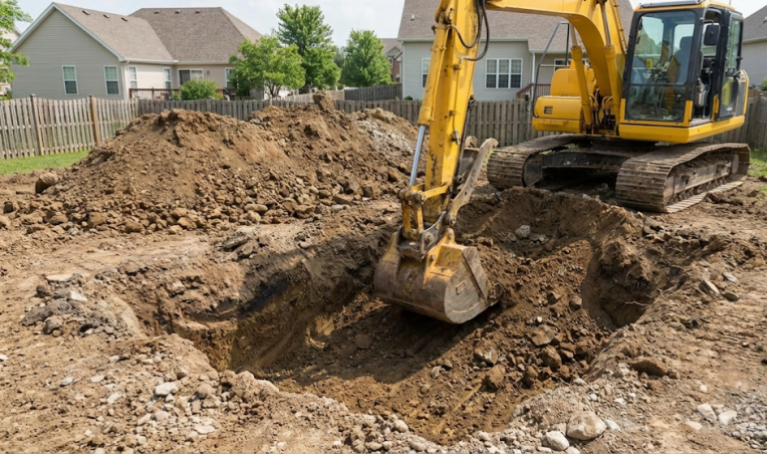
- If your property has mature trees, slopes, or visible utility lines, insist on a site survey before signing. Builders who skip this step often hit costly surprises during dig week.
A Tale of Two Builds
Consider two Pennsylvania homeowners hiring pool builders near Philadelphia in the same season.
The first family lives in a South Philadelphia row home with a 22-foot-wide rear yard. They selected a city-experienced builder who proposed a 10×22 plunge pool with an automatic cover, accessed via crane over the roofline. Permits took roughly ten weeks through Philadelphia L&I, and construction wrapped within four months.
The second family lives on a half-acre lot in Lower Merion. They hired a suburban-focused contractor for a 18×36 gunite pool with attached spa, travertine decking, and a pergola. Township permits cleared in about five weeks, and the full project (including landscaping) was completed in roughly fourteen weeks.
Both projects succeeded because each family matched the builder’s specialty to the site, not the other way around.
Verifying Credentials: Sources Worth Checking
When researching licensed pool builders in PA, lean on neutral, authoritative sources. The Pennsylvania Office of Attorney General maintains the Home Improvement Contractor registry. The Pool & Hot Tub Alliance (PHTA) publishes industry safety and construction standards used industry-wide. The Better Business Bureau tracks complaint histories and resolution patterns.
These three sources together provide a strong baseline for separating reputable pool contractors near you in PA from underqualified operators.
Quick Answers – FAQ
How much does it cost to build an in-ground pool near Philadelphia?
A: Costs vary widely based on size, materials, and site conditions. Vinyl-liner pools generally cost less than gunite, and city projects often run higher per square foot than suburban builds due to access and permitting. Review our detailed breakdown of in-ground pool costs to plan your budget accurately.
How long does pool construction take?
A: Most in-ground pool projects near Philadelphia take 8–16 weeks from permit approval to completion, weather permitting. Complex builds or those requiring extensive landscaping can take longer.
Do I need a permit to build a pool in Philadelphia?
A: Yes. Philadelphia requires permits through the Department of Licenses and Inspections, and suburban townships have their own permit and zoning processes. Your builder should handle this.
Are saltwater pools available from local pool construction experts?
A: Yes. Most in-ground pool companies in PA offer saltwater systems as an upgrade or alternative to traditional chlorine. They require similar maintenance but follow different chemistry protocols; consult the CDC guidelines for healthy pool water for best practices.
What’s the difference between gunite and vinyl-liner pools?
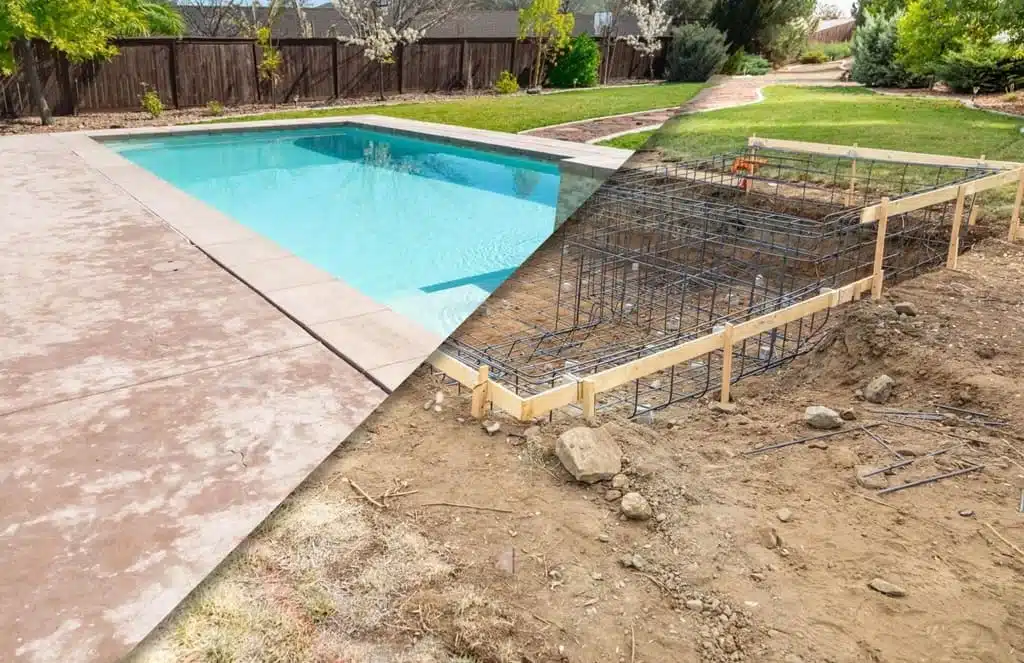
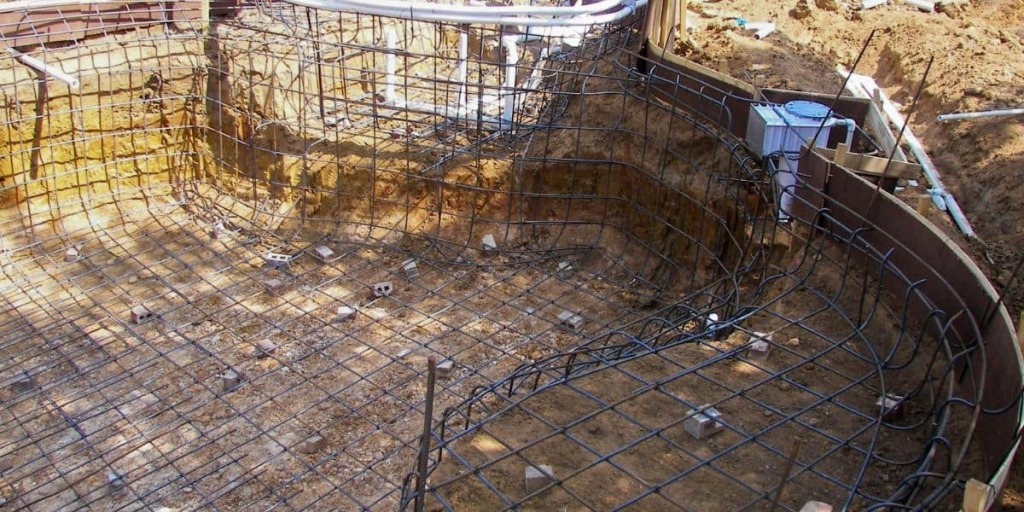
A: Gunite pools use sprayed concrete over a steel frame, offering long lifespan and design flexibility. Explore gunite pool construction and durability to see why it’s a premium choice. Vinyl-liner pools use a steel or polymer wall system with a replaceable liner, typically at a lower upfront cost.
Do pool builders offer financing?
A: Many residential pool contractors in PA partner with third-party lenders to offer pool builder financing options. Always compare those rates to your bank, credit union, or home equity line.
Can I build a pool on a small city lot?
A: Often, yes. Plunge pools, lap pools, and compact geometric designs are well-suited for narrow Philadelphia properties, provided setbacks and access requirements are met.
How do I check if a pool builder is licensed in Pennsylvania?
A: Use the Pennsylvania Attorney General’s online Home Improvement Contractor search. Any contractor performing work over $500 must be registered.
Glossary of Terms
- Gunite — A sprayed concrete-and-sand mixture applied over a steel rebar frame to form the structural shell of an in-ground pool. It allows custom shapes and is known for durability.
- Vinyl-liner pool — An in-ground pool constructed with steel or polymer wall panels and a replaceable vinyl liner that holds water. It typically has a lower upfront cost than gunite.
- Setback — The minimum required distance between a pool and property lines, structures, or utilities, as defined by local zoning codes. Setbacks vary by municipality.
- HIC registration — Pennsylvania’s Home Improvement Contractor registration, required by the Attorney General’s office for any contractor performing residential improvement work over $500.
Conclusion
The right pool builder for your project depends less on price and more on fit. City lots demand creativity, tight-access experience, and patience with Philadelphia L&I. Suburban properties reward builders who can blend design, landscaping, and outdoor-living features into one cohesive project. Either way, the homeowners who finish happiest are those who verify credentials, compare itemized bids, and choose a contractor whose portfolio matches their site.
If you’re ready to start planning, request a consultation with a licensed, insured in-ground pool builder who knows your neighborhood. A quick conversation now can save months of friction later, and bring you closer to enjoying a backyard you actually want to spend time in.