
Key Takeaways
- Pool installation services Pennsylvania include design, permits, excavation, plumbing, electrical, and finishing.
- Pool building hidden costs Pennsylvania homeowners face regularly include permits, fencing, and electrical work.
- The base pool quote rarely includes decking, landscaping restoration, or equipment upgrades.
- Licensed Pennsylvania pool contractors should provide fully itemized quotes — not lump-sum estimates.
- Pennsylvania law requires safety fencing for in-ground pools in most municipalities — budget for compliant pool fencing options.
- Annual maintenance, winterization, and chemical costs are ongoing expenses that begin immediately — see our annual pool maintenance cost guide for planning.
- Pennsylvania pool financing programs can help manage total project costs when budgeted from the start.
The Number on the Quote Is Not the Final Number
Every Pennsylvania homeowner who has built an in-ground pool remembers the moment the total cost exceeded what they originally planned. It is not a rare experience — it is the norm. The base quote from a pool contractor covers the pool itself. It does not always cover the permit fees, the electrical panel upgrade, the safety fence required by your township, the landscaping that gets torn up during excavation, or the first season of chemicals and maintenance.
Understanding pool building hidden costs Pennsylvania homeowners routinely encounter is not about expecting the worst from contractors. Most reputable pool builders in Pennsylvania are upfront about their scope — the problem is that buyers do not always know which questions to ask. This article names every cost category that routinely surprises first-time and experienced pool buyers alike, explains why each one exists, and shows you how to build a complete, realistic budget before a single shovel enters your yard. For deeper cost insights, consult our 2025 pool installation cost breakdown.
Why Hidden Pool Costs Are So Common in Pennsylvania
The pool construction industry prices competitively. Contractors quote the core installation — excavation, steel, gunite, plumbing, interior finish, and basic equipment — because that is the number buyers compare. Everything adjacent to that core work often lives in a separate conversation, a contract addendum, or a post-signing discovery.
Pennsylvania adds complexity that other states do not. Strict municipal permitting requirements, mandatory safety fencing laws, freeze-thaw climate considerations that affect both construction and ongoing maintenance, and the high cost of professional trades in the Philadelphia and Pittsburgh metro areas all contribute to a wider gap between the initial quote and the final cost.
The Pool & Hot Tub Alliance (PHTA) advises homeowners to budget a contingency of 10–20% above the base contract price for a typical residential in-ground pool project. That recommendation exists precisely because the costs outlined in this article are predictable — they just are not always communicated upfront.
The 9 Hidden Costs of Pool Building in Pennsylvania
1. Permit Fees
Every in-ground pool in Pennsylvania requires a building permit. Depending on your municipality, you may also need separate electrical, zoning, and fence permits. Understanding Pennsylvania pool permit requirements helps you anticipate these fees, which vary widely by township and borough — and they are rarely included in a standard base quote.
Beyond the fee itself, permits take time. Processing typically runs 2–6 weeks in Pennsylvania. If your project timeline is tight, expedited processing may be available in some municipalities — at an additional cost. Ask your contractor specifically whether permit fees are included in the quoted price and request a written breakdown of all anticipated permit costs before signing.
2. Electrical Upgrades
Most residential electrical panels were not designed with a pool in mind. Adding a pool pump, filter, heater, lighting, and automation system frequently requires a dedicated circuit — and in older Pennsylvania homes, it often requires a full electrical panel upgrade.
This work must be performed by a licensed electrician and inspected by your municipality. It is separate from your pool contractor’s scope in most cases, which means it is a separate cost that many buyers discover only after the pool contract is signed. Licensed Pennsylvania pool contractors should identify electrical upgrade requirements during the site assessment — ask directly at that meeting.
3. Safety Fencing
Pennsylvania law and local municipal codes require safety fencing around in-ground pools in virtually all jurisdictions. Following CPSC residential pool safety guidelines, fencing requirements specify minimum height, gate latch types, and setback from the pool edge. This is not optional — and it is almost never included in the base pool quote.
Fencing costs vary based on material (aluminum, vinyl, wood, or wrought iron), perimeter length, and gate quantity. For an average Pennsylvania residential lot, pool fencing represents a meaningful addition to the project budget. Request a fencing quote from your pool contractor or a separate fencing contractor before finalizing your total budget, and explore compliant pool fencing options for material comparisons.
4. Decking and Coping
A pool without surrounding decking is functionally incomplete. Yet many base quotes from in-ground pool companies PA contractors provide cover only the pool shell, plumbing, and equipment — not the deck. Coping (the edging around the pool rim) may be included at a basic level, but upgraded coping materials and surrounding concrete, paver, or natural stone decking are almost always priced separately.
Decking costs depend heavily on material selection and square footage. Poured concrete is the most economical option. Travertine, bluestone, and brick pavers carry significantly higher per-square-foot costs. If outdoor entertaining matters to you, your decking investment will likely exceed what many homeowners initially anticipate.
5. Landscaping Restoration
Pool excavation is destructive. Heavy equipment accesses the construction site through your yard, and the excavation process itself removes significant amounts of soil, disturbs root systems, and compacts surrounding ground. When construction is complete, your yard will not look like it did before — and restoring it is your expense.
Landscaping restoration can range from basic lawn reseeding to full replanting of disturbed beds, replacement of damaged irrigation systems, and regrading of soil. Local pool construction experts rarely include landscaping restoration in base quotes. Budget for it separately and have the conversation with your contractor before construction begins about how equipment access will be managed to minimize damage.
6. Retaining Walls and Grading
Pennsylvania’s topography is varied. Many residential lots — particularly in suburban areas outside Philadelphia and Pittsburgh — are sloped, terraced, or otherwise uneven. Building an in-ground pool on a sloped lot requires grading and often the construction of retaining walls to stabilize the surrounding soil.
Retaining walls are structural elements that carry their own engineering, material, and labor costs entirely separate from pool construction. If your yard has any significant grade change, ask your contractor directly whether grading or retaining wall work is required and whether it is included in the base quote. Many homeowners with sloped lots discover this cost only after signing.
7. Water and Chemical Startup Costs
Filling a residential in-ground pool for the first time requires a significant volume of water. Depending on your municipality, this may be billed through your water utility at standard residential rates — but in some Pennsylvania townships, bulk water delivery is required, which carries its own cost.
Beyond filling, the initial chemical startup — balancing pH, alkalinity, calcium hardness, and sanitizer levels in a newly plastered pool — requires a specific and carefully sequenced treatment protocol. The National Spa and Pool Institute (NSPI) notes that improper startup chemistry is one of the leading causes of premature interior finish degradation. Professional startup service, if not included in your contract, is worth the investment — and is an expense to budget for.
8. Pool Heating
Many base pool quotes include the plumbing stub-out for a heater — but not the heater itself. A gas heater, heat pump, or solar heating system is typically priced as an add-on. In Pennsylvania, where the swimming season without heating runs roughly from late May through early September, a heater extends usable season significantly.
Gas heaters provide fast heat-up times but carry higher operating costs. Heat pumps are more energy-efficient for sustained heating but are slower to raise water temperature. Both options represent meaningful additions to the project budget that buyers frequently underestimate when reviewing initial quotes.
9. Annual Maintenance and Winterization
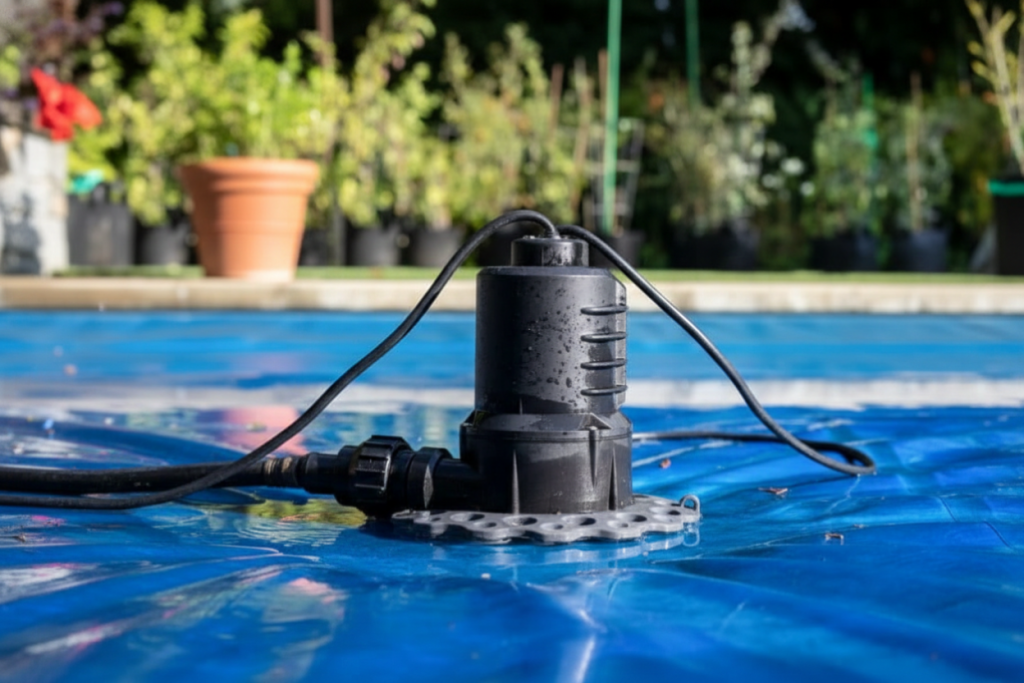
The costs of owning a pool do not end at installation. Pennsylvania’s climate requires annual winterization — lowering water levels, blowing out plumbing lines, adding winterizing chemicals, and installing a pool cover — followed by spring opening procedures each year. Professional winterization and opening services are recurring costs that begin in your first year of ownership.
Ongoing maintenance costs include chemicals, filter media replacement, professional equipment servicing, and periodic professional inspections. Best-rated pool builders PA homeowners recommend will walk you through realistic annual ownership costs during the sales process — ask for a written first-year cost estimate at your initial consultation, or review our annual pool maintenance cost guide for detailed planning.
Complete Hidden Cost Comparison Table
| Cost Category | Typically Included in Base Quote | Notes for Pennsylvania Homeowners |
|---|---|---|
| Permit Fees | Rarely | Varies by municipality; multiple permits may be required. Review Pennsylvania pool permit requirements for details. |
| Electrical Upgrades | No | Older homes often require panel upgrades; separate contractor |
| Safety Fencing | No | Required by law in most PA municipalities; varies by material. See compliant pool fencing options. |
| Decking & Coping | Partially | Basic coping sometimes included; decking almost always separate |
| Landscaping Restoration | No | Depends on equipment access path and yard condition |
| Retaining Walls & Grading | No | Required on sloped lots; significant cost on uneven properties |
| Water Fill & Chemical Startup | Sometimes | Confirm with contractor; professional startup recommended |
| Pool Heating Equipment | No | Plumbing stub-out often included; heater unit priced separately |
| Annual Maintenance & Winterization | No | Recurring annual cost; request first-year estimate upfront |
Pool Type Comparison: Material Options for Pennsylvania Pools
| Feature | Concrete/Gunite | Fiberglass | Vinyl Liner |
|---|---|---|---|
| Install Time | 8–12 weeks | 3–5 weeks | 2–4 weeks |
| Cost Range (PA) | $50,000–$150,000+ | $40,000–$85,000 | $35,000–$65,000 |
| Customization | Unlimited shapes & finishes | Pre-molded shells only | Standard shapes, custom liners |
| Durability | 30–50+ years | 25–30 years | 7–15 years (liner replacement) |
| Maintenance | Moderate (acid wash/resurfacing) | Low (smooth surface) | Moderate (liner care/chemicals) |
| Pennsylvania Suitability | Excellent (withstands freeze-thaw) | Good (requires careful install) | Fair (liner brittle in extreme cold) |
Step-by-Step: How to Build a Complete Pool Budget in Pennsylvania
Following these steps before signing any contract protects you from budget surprises and gives you a realistic total investment figure.
- Request a fully itemized base quote. Ask each contractor to break down every line item — excavation, steel, gunite, plumbing, equipment, interior finish, and basic coping. Never accept a lump-sum quote as your only reference. Compare against our comprehensive in-ground pool pricing guide for benchmarking.
- Ask explicitly about permit fees. Request a written estimate of all permit costs — building, electrical, fencing, and zoning — for your specific municipality. These vary significantly across Pennsylvania townships. Verify estimates using Pennsylvania pool permit requirements.
- Get an electrical assessment. Ask your contractor or a licensed electrician to assess whether your current panel supports pool equipment. Get a written estimate for any required upgrades before finalizing your budget.
- Request a fencing quote. Obtain a separate written quote for compliant pool fencing based on your yard’s perimeter requirements. Compare material options and confirm compliance with your township’s specific code using compliant pool fencing options.
- Discuss decking options and costs. Decide on decking material and get a written price for the complete surrounding deck — not just coping. Include steps, entry points, and any integrated features like sun shelves or water features.
- Ask about landscaping impact. Discuss the equipment access plan with your contractor and ask specifically what landscaping restoration is included. Get a separate landscaping estimate for any replanting, regrading, or irrigation repair.
- Clarify water fill and startup. Confirm whether initial water fill and chemical startup are included in your contract. If not, budget for both — and consider professional startup service to protect your interior finish warranty.
- Price heating options. Review gas heater and heat pump options with your contractor and get written pricing for the unit, installation, and gas line extension if required.
- Request a first-year ownership cost estimate. Ask your contractor to provide a realistic annual maintenance, chemical, and winterization cost estimate. This gives you a complete picture of ongoing ownership costs before you commit. Reference our annual pool maintenance cost guide for additional planning.
- Add a contingency buffer. Following PHTA guidance, add 10–20% to your total calculated budget as a contingency for unexpected site conditions, material cost changes, or scope additions that arise during construction.
Pros and Cons of Getting Fully Itemized Pool Quotes in Pennsylvania
| Pros | Cons |
|---|---|
| Reveals the true total project cost before any commitment is made | Itemized quotes take longer for contractors to prepare |
| Allows accurate comparison between multiple pool contractors near me PA | Some contractors resist full itemization — which itself is a useful red flag |
| Eliminates post-signing budget shock from undisclosed cost categories | Detailed quotes can be overwhelming for first-time buyers without guidance |
| Gives you a negotiating framework — you can make informed trade-offs | Comparing itemized quotes across contractors requires careful attention to specification differences |
| Creates a documented baseline for change order management during construction | May reveal higher total costs that require budget adjustments |
Do’s and Don’ts for Managing Pool Building Costs in Pennsylvania
| DO | DON’T |
|---|---|
| Request fully itemized written quotes from at least three pool installation services PA contractors | Assume the lowest quote is the most accurate — it may simply exclude the most |
| Ask directly: “What is NOT included in this quote?” | Sign a contract without a clear change order clause that requires written approval for all cost additions |
| Verify permit fee estimates with your local municipal office independently using Pennsylvania pool permit requirements | Skip the electrical assessment — panel upgrade costs can be significant and are easy to miss |
| Budget for annual maintenance costs before committing to the total project investment | Budget only for the base pool quote — fencing, decking, and landscaping are near-certain additional costs |
| Ask about Pennsylvania pool financing programs to spread total project costs across manageable payments | Ignore annual ownership costs — they begin in your first year and recur every year thereafter |
When Hidden Costs Hit Hardest
If your home was built before 1990 — budget proactively for an electrical panel upgrade. Older Pennsylvania homes frequently carry 100-amp or smaller panels that cannot support the combined electrical load of a pool pump, heater, lighting, and automation system on a dedicated circuit. Discovering this after contract signing is one of the most common budget surprises residential pool contractors PA professionals encounter.
If your property has any slope or grade change — get a grading and retaining wall assessment before signing any pool contract. Sloped lots in Pennsylvania’s suburban markets routinely require engineered retaining walls that carry costs entirely outside the base pool quote. A site assessment by an experienced licensed Pennsylvania pool contractors will identify this requirement early — preventing it from becoming a mid-construction discovery.
The Petersen Family, Lancaster County, PA
The Petersens received a base pool quote they described as “very reasonable.” They signed the contract without requesting full itemization. Within three weeks of breaking ground, they encountered four additional costs: a required electrical panel upgrade identified by the electrician, a retaining wall needed along one side of the excavation due to a grade drop they had not noticed, fencing their township required before the pool could be filled, and a decking cost that had been listed only as “allowance” in the original contract — at a number significantly below the actual market cost for the material they had chosen. Their final project cost was substantially higher than the original quote. None of these additions involved contractor dishonesty — each was a legitimate, foreseeable cost that was simply not surfaced during the sales process. Their experience reflects what the Pennsylvania home improvement consumer protections identify as one of the most common sources of home improvement disputes: the gap between what a contract includes and what a completed project actually requires.
Frequently Asked Questions
Q: What are the most common hidden costs when building a pool in Pennsylvania?
A: The most frequently overlooked pool building hidden costs Pennsylvania homeowners encounter are permit fees, electrical panel upgrades, safety fencing, decking, landscaping restoration, and first-year chemical and maintenance expenses. None of these are typically included in a standard base pool quote. Review our comprehensive in-ground pool pricing guide for detailed cost categories.
Q: Are permit fees included in pool contractor quotes in PA?
A: Not always. Many pool contractors near me PA include permit management as a service but price permit fees as a pass-through cost separate from the base quote. Always ask explicitly whether permit fees are included and request a written estimate for all required permits in your municipality using Pennsylvania pool permit requirements.
Q: Does Pennsylvania law require fencing around in-ground pools?
A: Yes. Most Pennsylvania municipalities require safety fencing around residential in-ground pools as a condition of final permit approval. Requirements specify minimum fence height, gate latch type, and setback distances. Fencing is almost never included in a base pool quote and should be budgeted separately. Explore compliant pool fencing options for material guidance.
Q: How much should I budget beyond the base pool quote in Pennsylvania?
A: Industry guidance from the Pool & Hot Tub Alliance (PHTA) suggests budgeting a 10–20% contingency above the base contract price. When you add known additional costs — fencing, decking, permits, and electrical — the realistic total project cost often runs significantly higher than the initial quote for many Pennsylvania homeowners. See our 2025 pool installation cost breakdown for current estimates.
Q: Is pool heating included in standard Pennsylvania pool quotes?
A: Typically no. Most base quotes include the plumbing stub-out for a heater but not the heater unit itself. Gas heaters and heat pumps are priced separately. In Pennsylvania, where the unheated swimming season is relatively short, heating is a common addition that belongs in your total budget from the start.
Q: What are typical annual pool ownership costs in Pennsylvania?
A: Annual costs include chemicals, professional winterization and spring opening, filter media replacement, and periodic equipment servicing. Exact costs vary by pool size and usage, but these are recurring expenses that begin in your first year of ownership. Ask your contractor for a realistic first-year estimate before signing, or reference our annual pool maintenance cost guide for detailed planning.
Q: Can Pennsylvania pool financing programs cover total project costs including hidden costs?
A: Yes. Pool builder financing options — including contractor-affiliated lending programs, home equity loans, and personal loans — can cover the full project cost including add-ons identified after the base quote. Review financing terms based on your complete anticipated budget, not just the initial quote figure.
Q: What is a change order and why does it matter for pool budgets?
A: A change order is a written document that authorizes and prices any addition to or deviation from the original contract scope. Without a clear change order process documented in your contract, unexpected costs can be added without your prior written approval. Always ensure your contract specifies that all changes require written authorization before work proceeds, and learn to avoid common contractor hiring mistakes.
Q: How do I know if a pool quote is fully itemized or lump-sum?
A: A fully itemized quote lists each cost category separately — excavation, gunite, plumbing, equipment, interior finish, coping, permits, and so on. A lump-sum quote provides a single total number. Always request itemized quotes from best-rated pool builders PA contractors and ask specifically what each line item includes and excludes. Compare against our comprehensive in-ground pool pricing guide for reference.
Q: Does landscaping damage from pool construction get repaired by the contractor?
A: Only if it is explicitly written into the contract. Most pool installation services PA contractors do not include landscaping restoration in their base scope. Discuss equipment access routes and restoration responsibilities before construction begins and document any agreed-upon restoration in writing.
Glossary of Key Terms
Change Order: A written document that formally authorizes and prices any modification to the original construction contract scope. Change orders protect homeowners from unauthorized cost additions and create a documented paper trail for all budget adjustments during the project. Learn to avoid common contractor hiring mistakes related to change orders.
Allowance: A placeholder cost in a construction contract for an item whose final specification has not yet been determined — for example, “decking: $X allowance.” Allowances are frequently set below actual market costs, making them one of the most common sources of budget overruns in pool construction projects.
Electrical Load Calculation: An assessment of a home’s existing electrical capacity relative to the additional demand that pool equipment will place on the system. In Pennsylvania, this assessment is critical for older homes and determines whether a panel upgrade is required before pool installation can be completed and inspected.
Winterization: The annual process of preparing an in-ground pool for Pennsylvania’s cold season — including lowering water levels, blowing out plumbing lines, adding winterizing chemicals, and installing a pool cover. Proper winterization prevents freeze damage to plumbing, equipment, and the pool shell, and is a recurring annual maintenance cost beginning in the first year of ownership. See our annual pool maintenance cost guide for seasonal planning.
Conclusion: The Budget You Plan Is the Budget You Control
The gap between a pool contractor’s initial quote and the true total cost of building an in-ground pool in Pennsylvania is real, predictable, and entirely manageable — if you plan for it. Pool building hidden costs Pennsylvania homeowners encounter are not mysterious. They are well-known categories that simply do not appear in standard base quotes because contractors price competitively and buyers do not always know to ask.
Permits, electrical upgrades, fencing, decking, landscaping restoration, heating, and annual maintenance are not surprises when you know to look for them. They become surprises only when homeowners sign contracts without asking the right questions.
The solution is straightforward: request fully itemized quotes, ask explicitly what is not included, verify permit costs independently using Pennsylvania pool permit requirements, and build your budget around the complete project — not just the pool itself. Work exclusively with licensed Pennsylvania pool contractors registered under HICPA, and ensure your contract includes a clear change order process that protects you from unauthorized additions.
Your pool investment deserves a complete financial picture from day one. Review our 2025 pool installation cost breakdown and explore Pennsylvania pool financing programs before committing.
Contact a trusted local pool construction expert today and request a fully itemized quote — including every cost category this article has outlined. Know your real number before you sign anything.