
Your backyard oasis should be a source of relaxation, not a drain on your bank account. Yet, for many homeowners in Pennsylvania, the monthly electricity bill tells a different story. If you have noticed a spike in costs or your water isn’t sparkling quite like it used to, the culprit is likely the mechanical heart of your pool.
Selecting the right equipment is about more than just moving water; it is about finding the sweet spot between performance and energy savings. By reading this guide, you will learn exactly how to size, select, and maintain a pump that keeps your pool crystal clear while putting money back in your pocket.
Why Your Pool Pump Matters
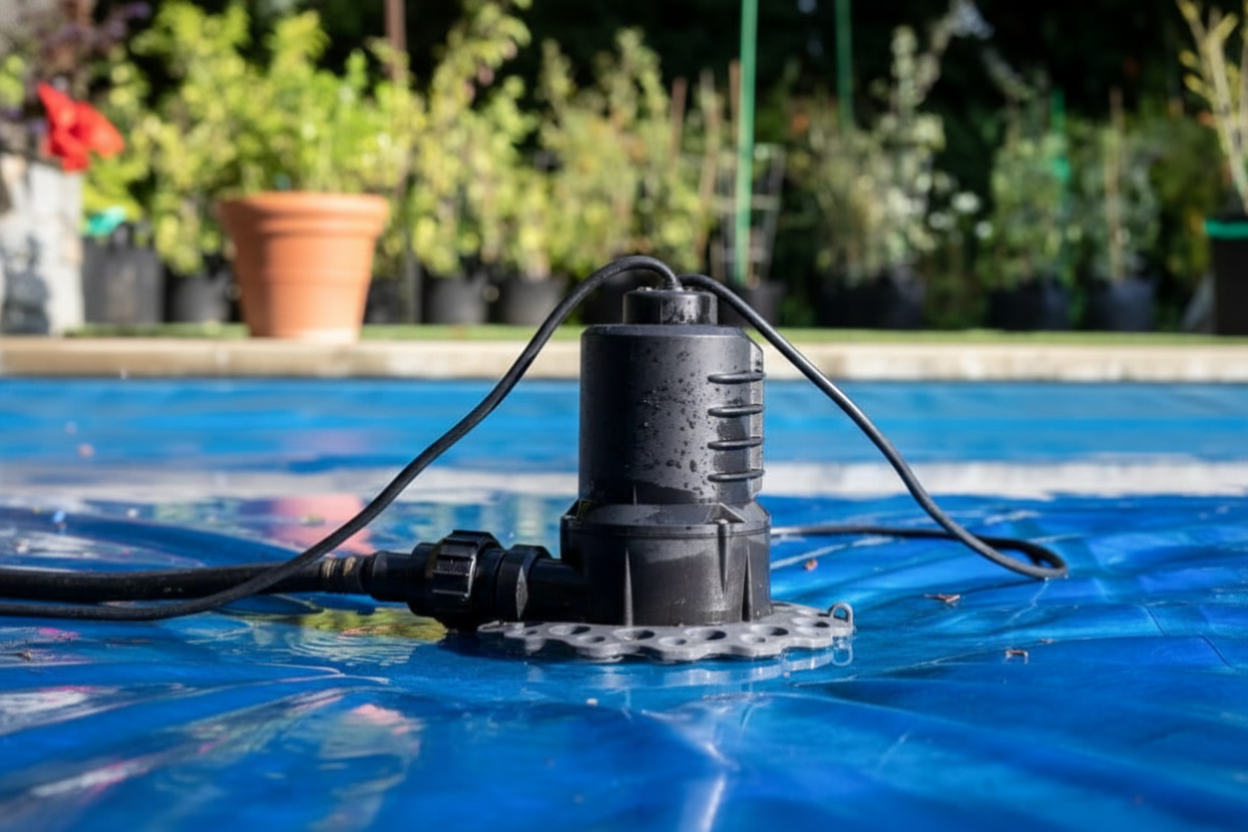
Think of your pool pump as the heart of your swimming pool’s circulation system. Just as your heart pumps blood to keep you alive, the pool pump pushes water through the skimmer and filter to remove debris and bacteria. Without it, you are left with a stagnant, green pond rather than a refreshing swimming pool.
For our clients in Bucks County and throughout Pennsylvania, we often see pumps that are either overworked or vastly oversized for the pool they serve. An undersized pump leads to algae growth because the water isn’t turning over fast enough. An oversized pump, conversely, wastes electricity and can actually damage your filter plumbing due to excessive pressure.
The Role of Circulation
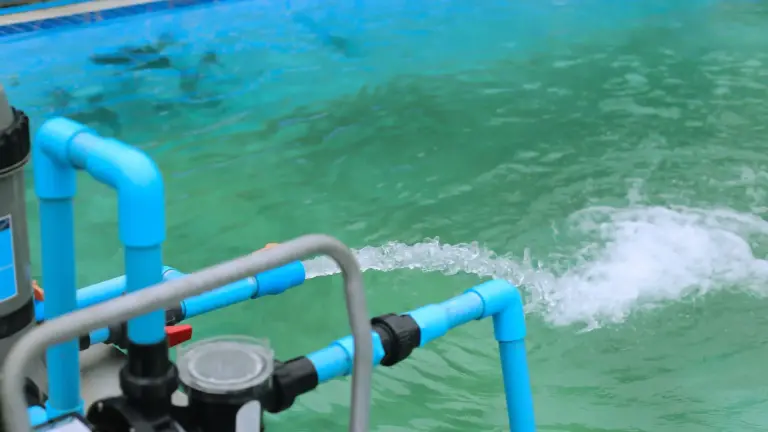
Circulation is the key to a clean pool. The pump pulls water from the pool, pushes it through the swimming pool pump and filter,inground pool heater, and chlorinator, and then returns it to the main body of water. This process distributes chemicals evenly. If you choose the wrong unit, you will find “dead spots” in the pool where algae loves to bloom.
Understanding Pump Types: Single-Speed vs. Variable-Speed
The technology behind pool equipment has changed drastically in the last decade. Understanding the difference between pump types is the single most important factor in your buying decision.
Single-Speed Pumps
For years, these were the industry standard. They operate at one speed: full blast. Whether you are vacuuming the pool or just circulating water, the motor runs at maximum RPM (revolutions per minute).
- Pros: Lower upfront cost.
- Cons: Extremely inefficient; noisy; higher long-term operational costs.
Variable-Speed Pumps (VSPs)
Variable-speed pumps allow you to control the motor speed. You can run the pump at a lower RPM for basic filtration (which takes up 90% of the pump’s run time) and ramp it up only when running water features or vacuuming.
- Pros: ENERGY STAR® certified savings (up to 90%); quieter operation; longer lifespan; better filtration.
- Cons: Higher upfront cost (though often offset by energy rebates and savings).
Note for PA Homeowners: In many parts of Pennsylvania, regulations and energy standards are shifting towards requiring variable-speed pumps for filtration because they are so much more efficient.
Comparison Table: Single-Speed vs. Variable-Speed
| Feature | Single-Speed Pump | Variable-Speed Pump |
| Energy Consumption | High (Always runs at max power) | Low (Adjustable speeds save power) |
| Noise Level | Loud (Like a lawnmower) | Whisper Quiet |
| Upfront Cost | Low | Moderate to High |
| Payback Period | N/A | Typically 1–2 years via energy savings |
| Filtration Quality | Standard | Superior (Slower water movement traps more debris) |
Sizing Your Pump Correctly
Bigger is not always better. Installing a pump with too much horsepower (HP) for your specific pool volume is a common mistake. If the water moves too fast through your filter, the filter media (sand or cartridge) cannot grab the dirt effectively.
To choose the right size, you need to know your pool’s flow rate requirements, ideally following Department of Energy efficiency guidelines.
Calculate Total Dynamic Head (TDH)
This sounds technical, but it is essentially the resistance your pump must overcome to move water. This includes the length of your pipes, the number of elbows or turns in the plumbing, and the elevation difference between the pump and the pool.
- High Resistance: Long plumbing runs, many twists, or equipment located far above water level.
- Low Resistance: Equipment pad right next to the pool with straight pipes.
If you are unsure how to calculate this, our team at FS Landscaping Contractors can assess your plumbing setup during a consultation.
Determine the Turnover Rate
Your goal is to turn over (circulate) the entire volume of pool water at least once every 8 to 10 hours.
- Calculate Pool Volume: Length x Width x Average Depth x 7.5 (for gallons).
- Determine Gallons Per Minute (GPM): Divide the total gallons by the number of minutes in your desired turnover timeframe (e.g., 480 minutes for 8 hours).
Once you have the required GPM and the TDH, you can look at pump manufacturer charts to find the specific model that delivers that flow rate at that resistance level.
Matching the Pump to the Filter
Your swimming pool pump and filter must work as a team. Every filter has a “maximum flow rate.” If your new pump pushes 80 GPM, but your filter is only rated for 60 GPM, you have a problem.
- Sand Filters: If water flows too fast, it channels through the sand, bypassing the filtration process entirely.
- Cartridge Filters: High pressure can crush the pleats in the cartridge, ruining the element.
- DE Filters: High flow can force the Diatomaceous Earth powder off the grids, rendering it useless.
Always check the maximum flow rate on your filter’s label before upgrading your pump.
Energy Efficiency Tips for Pennsylvania Residents
Living in the Northeast means our swim season is condensed. We want to maximize enjoyment from Memorial Day through Labor Day (or later if you have a heater) without ignoring sustainable pool options.
Run Times
You do not need to run your pump 24/7. With a variable-speed pump, you can run it 24 hours at a very low RPM for pennies a day. If you have a single-speed pump, consider using a timer to run it 10–12 hours a day during peak summer, and less in the shoulder seasons (May and September).
Optimize Plumbing
If you are considering a flawless pool installation or renovating your pool with FS Landscaping Contractors, we ensure the plumbing size matches the pump. Using 2-inch or 2.5-inch PVC piping instead of standard 1.5-inch piping allows water to flow with less resistance, allowing the pump to work less hard.
Installation: DIY vs. Professional
We love the DIY spirit, but installing a pool pump involves high-voltage electricity and complex plumbing.
Why hire a pro?
- Electrical Safety: Pumps require proper bonding and grounding to meet federal pool safety standards.
- Warranty Protection: Many major manufacturers (like Pentair or Hayward) cut their warranty periods significantly if the unit is not installed by a licensed professional.
- Leak Prevention: obtaining an airtight seal on the suction side and a watertight seal on the pressure side requires experience.
At FS Landscaping Contractors, we handle the electrical and plumbing connections to ensure your system is code-compliant and safe for your family.
Frequently Asked Questions
How long should a pool pump last?
A well-maintained pool pump typically lasts 8 to 12 years. If yours is older than 10 years and making loud screeching or humming noises (often a sign of bad bearings), it is likely time for a replacement.
Can I just replace the motor and keep the pump housing?
Yes, this is an option if the “wet end” (the plastic housing with the basket) is in good shape. However, if the housing is cracked or warped, or if the pump is an older inefficient model, replacing the whole unit with a modern variable-speed pump is usually the smarter investment in pool maintenance.
Does a bigger pump clean the pool faster?
Not necessarily. A pump that is too big moves water too fast for the filter to catch debris. Effective filtration is about the quality of the pass through the filter, not just the speed.
Conclusion
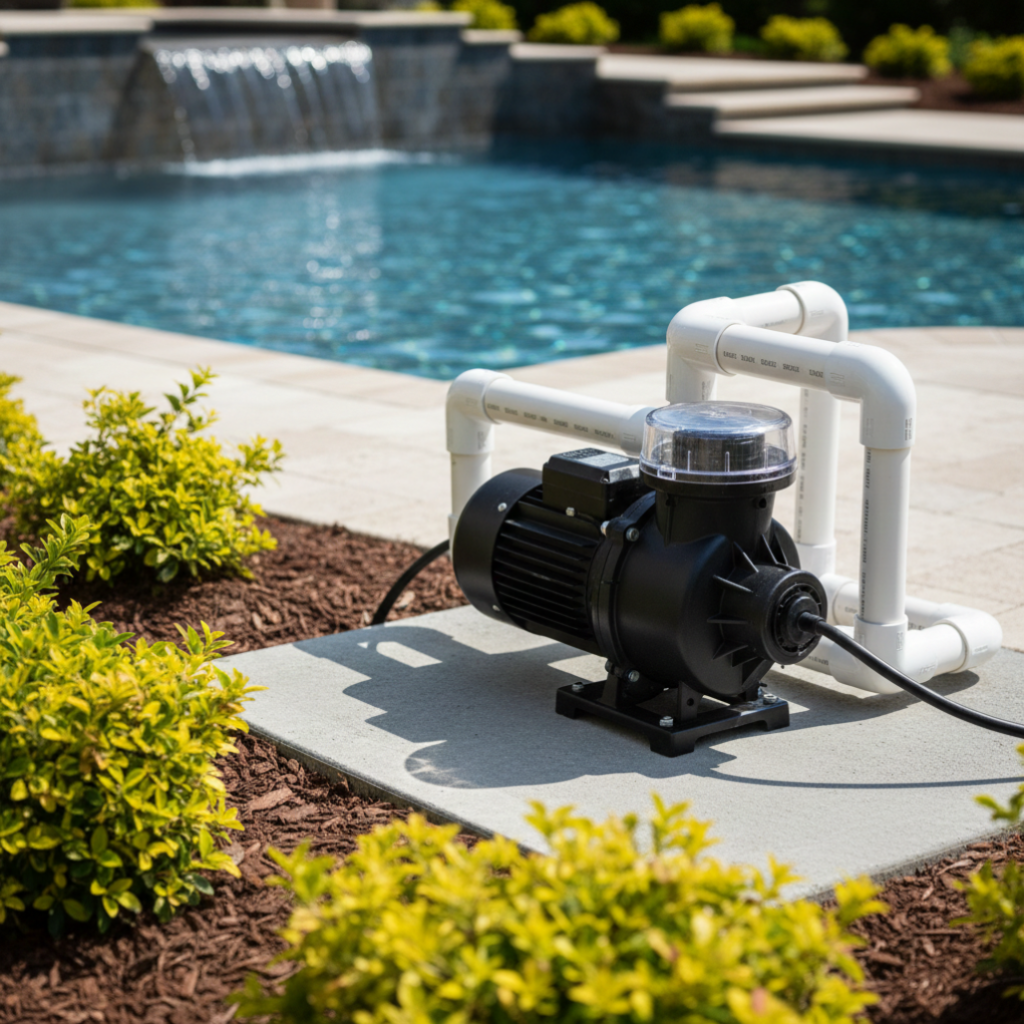
Choosing the right pool pump is the difference between a headache and a hassle-free summer. By focusing on variable-speed technology, sizing the unit correctly for your specific pool volume, and ensuring compatibility with your filter, you can enjoy sparkling water and lower energy bills.
Don’t let a noisy, energy-guzzling pump ruin your backyard vibe. Whether you need a simple upgrade or are planning a complete backyard transformation with a new pool build, we are here to help.
Ready to upgrade your system? Contact FS Landscaping Contractors today. Let us help you select and install the perfect equipment for your Pennsylvania home so you can focus on swimming, not maintenance.