Ever wondered why some Pennsylvania homeowners swear by their backyard pools while others dread the maintenance? The secret often lies in one big decision: saltwater or chlorine. If you’re dreaming of a refreshing dip in your own pool this summer-maybe while sprucing up your pool area—you’re in the right place. This guide breaks down everything you need to know about saltwater vs. chlorine pools—tailored specifically for folks in Pennsylvania, with help from the top pool pros in Pennsylvania. You’ll walk away with clear insights to pick the best pool sanitation method for your home, budget, and lifestyle.

Why Pool Type Matters in Pennsylvania
Living in Pennsylvania means dealing with humid summers, chilly winters, and everything in between. Your pool isn’t just a luxury—it’s an investment in your home and happiness that can boost your home’s worth. Whether you’re in Pittsburgh, Philly, or a quiet suburb, choosing between saltwater and chlorine pools affects maintenance costs, water feel, and even your family’s comfort. So, how do you decide? Let’s dive into the details.
What’s the Difference Between Saltwater and Chlorine Pools?
First things first: both saltwater and chlorine pools sanitize water with chlorine. The difference is how that chlorine gets there.
- Chlorine Pools: You add chlorine directly-usually in tablets, liquid, or granules. It’s the traditional go-to, keeping water sparkling and safe.
- Saltwater Pools: A salt-chlorine generator (check out more on types of pools) turns salt into chlorine through electrolysis. You add salt to the water, and the system does the rest.
Both methods kill bacteria and algae, but the experience and upkeep? That’s where they split. Let’s explore what each brings to your backyard.
Pros and Cons of Saltwater Pools
Saltwater pools have surged in popularity, and it’s easy to see why. Here’s what you’re signing up for:
Benefits
- Softer Water: The slight salt level (way less than the ocean) leaves your skin and hair feeling smooth, not stripped.
- Lower Maintenance: No hauling chlorine jugs—just occasional salt top-offs and generator checks.
- Gentler on Eyes: Say goodbye to that red-eye sting after a swim.
Drawbacks
- Higher Upfront Cost: Generators cost $800–$2,000, plus installation. In Pennsylvania, expect to pay a bit more if winters demand extra equipment protection-curious about what you’ll pay for a pool?
- Potential Corrosion: Salt can wear down metal ladders or stone decks over time if not managed—something you can avoid by keeping your pool in top shape.
For Pennsylvania homeowners who value a spa-like swim and don’t mind the initial investment, saltwater could be your winner.
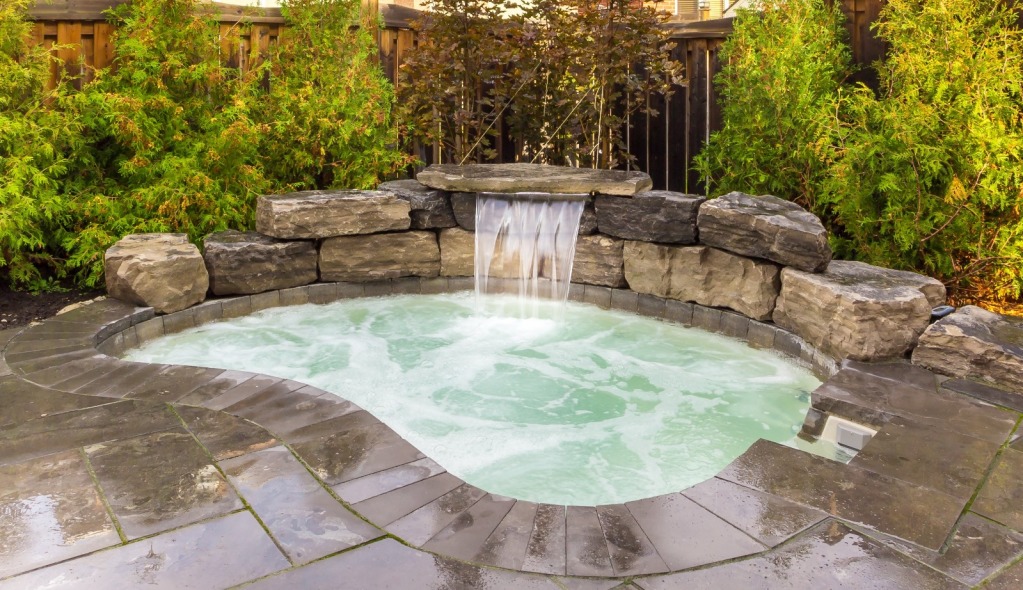
Pros and Cons of Chlorine Pools
Chlorine pools have been the standard for decades. Here’s why they still hold strong:
Benefits
- Lower Startup Cost: No fancy equipment-just a basic pool setup and chlorine supplies. See a full pool cost breakdown.
- Quick Fixes: Algae problem? A shock treatment works fast.
- Widely Available: Every pool store in Pennsylvania—from Lancaster to Erie—stocks chlorine.
Drawbacks
- More Hands-On: You’ll need to test and add chemicals weekly, especially after heavy rain or hot streaks.
- Stronger Smell: That classic “pool scent” can cling to your swimsuit.
- Skin Irritation: Some folks find chlorine dries them out or triggers itchiness.
If you’re budget-conscious and don’t mind a little DIY chemistry, chlorine might be your pick.
Comparing Costs: Saltwater vs. Chlorine Pools
Money talks, right? Here’s a breakdown to help you budget for your Pennsylvania pool:
| Factor | Saltwater Pool | Chlorine Pool |
| Initial Setup | $1,500–$3,000 (with generator) | $500–$1,000 |
| Annual Maintenance | $100–$300 (salt, electricity) | $200–$400 (chlorine, tests) |
| Lifespan | Generator lasts 5–7 years | No equipment to replace |
Takeaway: Saltwater saves over time but demands more upfront. Chlorine’s cheaper to start, but costs add up with supplies. Pennsylvania’s freeze-thaw cycles also mean winterizing either pool—budget $200–$500 yearly for that.
How Pennsylvania’s Climate Plays a Role
Our state’s weather throws curveballs. Summer humidity spikes algae growth, while winter freezes shut pools down. Saltwater pools handle algae well with steady chlorine output, but you’ll need to winterize the generator carefully—think insulated covers or indoor storage, all part of keeping your pool in top shape. Chlorine pools are simpler to close, but heavy July rains can dilute chemicals fast, meaning more testing. Pick a system you’re ready to tweak with the seasons.
Health and Comfort: Which Feels Better?
Ask any swimmer in Harrisburg or Scranton-comfort matters. Saltwater pools win here for most. The water’s silky, and you won’t rub your eyes raw after a cannonball-something backed by safe swimming tips from the CDC. Chlorine pools, though, can feel harsher-especially if levels spike. Got kids with sensitive skin? Saltwater might edge out. But if you’re chlorine-savvy and keep levels balanced, irritation’s minimal.
Installation and Maintenance Tips
Partnering with a pro like our pool-building crew at FS Landscaping Contractors makes this easy. For saltwater pools, we’d install a generator sized for your pool—say, 20,000 gallons for a standard backyard setup. Chlorine pools need a solid circulation system to spread chemicals evenly. Maintenance-wise, test saltwater monthly and clean the generator yearly. For chlorine, weekly tests and a good skimmer keep things pristine. Either way, we’ve got Pennsylvania homeowners covered with expert installs and seasonal care.
FAQs: Your Top Questions Answered
Which is better for allergies? Saltwater often wins—it’s less likely to irritate eyes or skin.
Can I switch from chlorine to saltwater? Yes! Retrofitting costs $1,000–$2,000, depending on your pool’s size.
What’s the best pool sanitation method for kids? Saltwater’s gentler, but chlorine’s safe with proper balance—check the pool industry know-how for more.
Making Your Choice
Here’s the quick version: Go saltwater if you want low fuss and a luxe swim—perfect for busy Pennsylvania families who’d rather splash than scrub. Pick chlorine if you’re starting small or love controlling every detail. Either way, think about your budget, time, and how you want that water to feel on a sticky July day. Need help picking the perfect pool? We’ve got you covered.
Final Thoughts
Choosing between saltwater and chlorine pools isn’t just about sanitation—it’s about your lifestyle. Saltwater offers a hands-off, skin-friendly escape, while chlorine delivers affordability and familiarity—explore a deep dive into pool types for extra insight. For Pennsylvania homeowners, both can shine with the right setup. Ready to start crafting your backyard escape? Share your thoughts below, pass this along to a friend dreaming of a pool, or reach out to us at FS Landscaping Contractors to get started. Your backyard oasis is closer than you think!